

Vegan Barbajuan
Ingredients
For the dough:
2 cups (250g) flour
1/4 cup (60ml) olive oil
1/2 cup (120ml) water
Salt
For the filling:
1/4 cup leek, chopped
2 cups spinach, chopped
1 shallot, diced
1/2 cup vegan ricotta
Oregano
Salt
Pepper
Instructions
- Prepare the dough by combining wet ingredients with dry, then mixing into a smooth, soft dough. Set aside for at least 30 minutes.
- While the dough is resting, heat olive oil over medium heat. Add shallot, spinach, and leek to the oil, and cook until the greens are soft. Add salt, pepper, and oregano, and set aside.
- Heat olive oil in a pan over medium-high heat.
- Flatten the dough on a floured surface. Add a spoonful of vegetables and a spoonful of ricotta in a grid shape on the dough.
- Cut out the grid shape, then form each square into a folded pocket.
- Deep fry each pocket until brown and crispy on each side.
A longer and more detailed description
I am never shaking the allegations that everything I make is secretly just fried dumplings, and I do not care. It’s tasty, and I love it. Besides, it’s hilarious to go to southern France and come back with “look, dumplings!”
I also feel like you can tell me the answers at this point rather than the other way around, so let’s give it a go. Where do we start? Make the dough. What happens next? Stuff it. Then what? Fry it.
Bon apetit.
Substitutions and Suggestions
For the vegan ricotta - The ricotta actually does quite a lot in the dish, so I do recommend not skipping it. In this case, I made my own ricotta by combining tofu, lemon juice, nutritional yeast, garlic, salt, and basil in a blender. It turned out beautifully.
For the filling - You are welcome to stuff these with whatever you’d like, but spinach, leeks, and ricotta is traditionally. And you’d hate to break with tradition, wouldn’t you?
What I changed to make it vegan
I removed the eggs completely, preferring to go with a more traditional dough. I also substituted all the cheese because I hate fun.
What to listen to while you make this
I found precisely one singer who I could confirm was Monegasque. It’s quite old-fashioned, but in a delightful way, and so I highly recommend Avec le Temps by Leo Ferre.
A bit more context for this dish
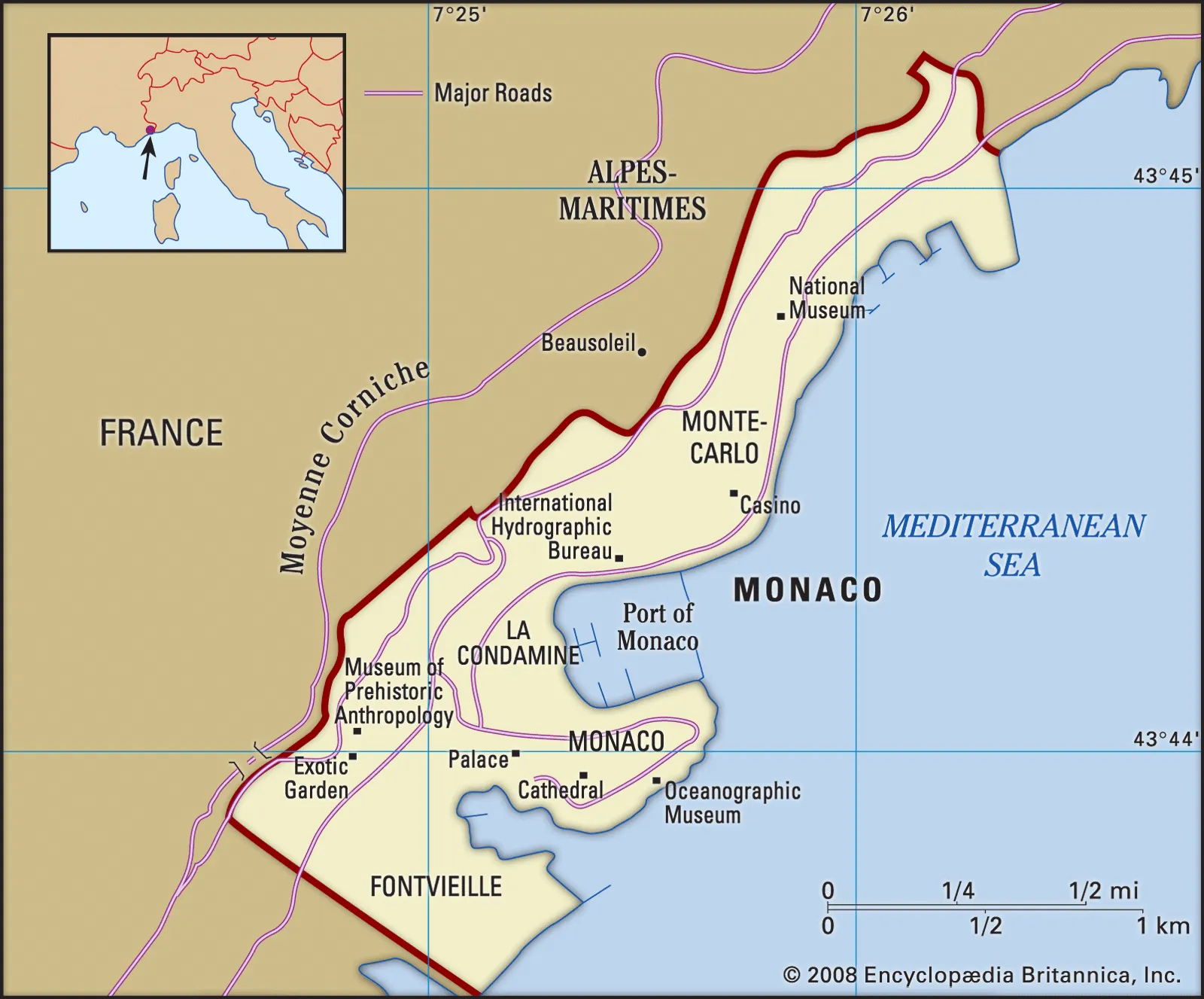
Monegasque cuisine exists in an interesting space. Monaco has long existed at the confluence of Mediterranean empires, with each leaving their indelible imprint on the country. Olives, fish, and grapes are prominent throughout its cuisine, as are fresh vegetables and herbs. However, until the 19th century, the French Riviera - the area in which Monaco is located - was long seen as a desert of haute cuisine. Instead of the romantic image it now enjoys, the Riviera was seen was poor, impoverished, and lacking in any real culture of its own.
This is, ah, no longer the case. There are a lot of Michelin stars that have been awarded to Alpes-Cote-d’Azur, with Monaco owning some of them.
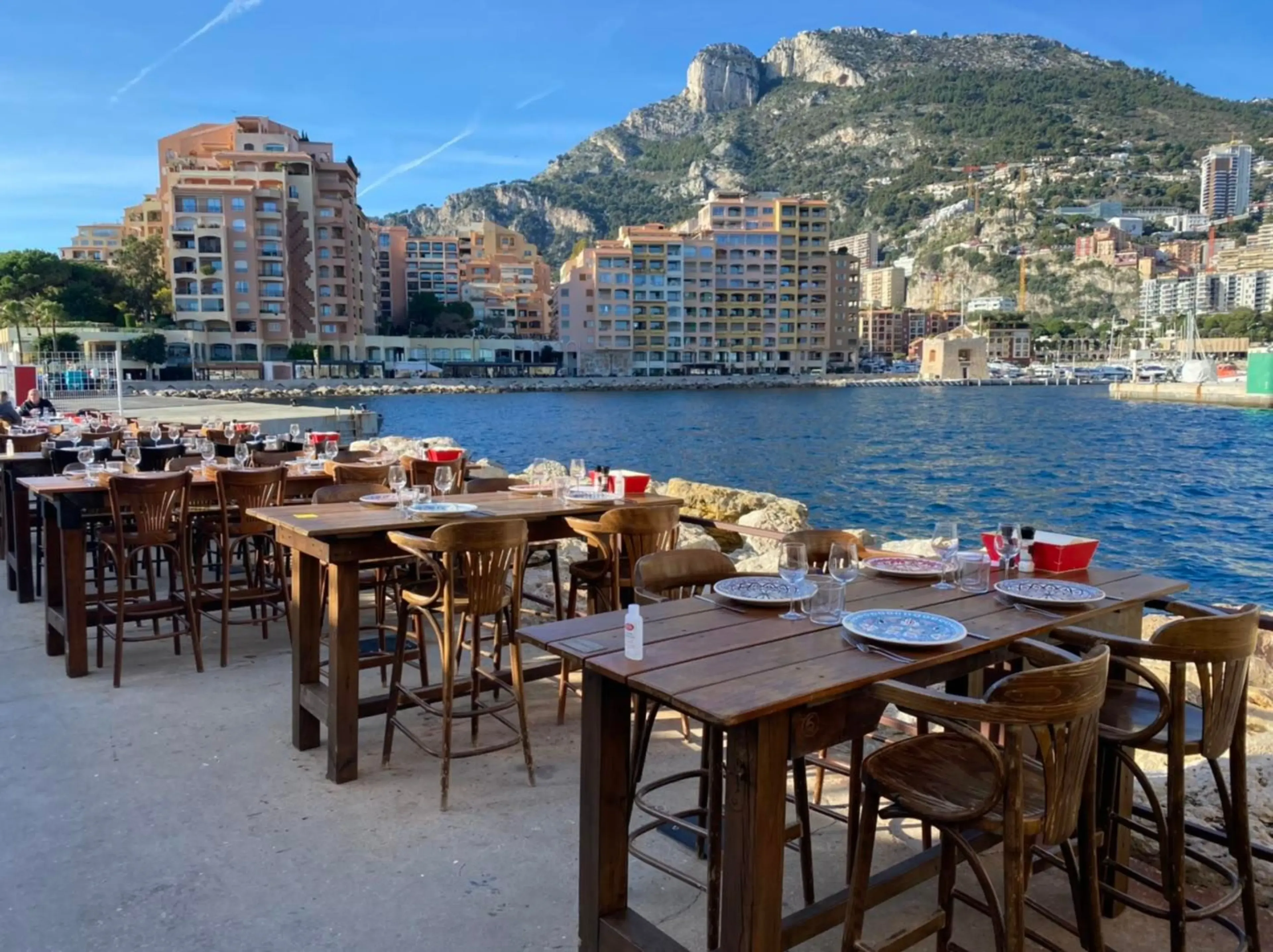 A restaurant in Monaco
Monaco has a reputation of being fantastically wealthy, but this has not always been the case. Much like other European microstates like Liechtenstein, Monaco’s wealth is a fairly modern phenomenon, stemming from the desire to attract wealthy investors through gambling and projecting the image of wealth. This has included the adoption of French haute cuisine as a way to project that sophistication and wealth. Alongside the yacht docks of Monte Carlo, the restaurants serve French fare, catered to the image of class and sophistication as much as the reality of it.
The consequence of this is that traditional Monegasque dishes - like the one we cooked today - get lost. Much like with last week’s Moldovan recipe, the desire to reproduce the dishes of the past gets swept away beneath the pressures of the present. Its orange and lemon trees have long disappeared, replaced by gleaming skyscrapers and an increasingly cramped city.
While there is a movement to preserve traditional Monegasque cuisine, it remains to be seen whether it will succeed. Monaco is a state of its own, but one informed by the impression others hold of it. When your world is shaped by others’ need to shape it, is it possible for the original to survive?