

Vegan Fouti
Ingredients
2 aubergines, quartered
3 green eggplant, halved
2 cups (150g) okra
1 onion, diced
3 cloves garlic, minced
1 chili pepper
1/2 cup (135g) miso paste
1 package seaweed chips
2 tbsp tamarind paste
1 tsp paprika
1 tsp lemon juice
5 cups (1,2l) water
Instructions
- Boil water in a large pot. Once the water is boiling, add the aubergines, green eggplant, and chili powder, and boil until soft.
- While the vegetables are boiling, fry the onion and garlic over medium heat until brown.
- Once the vegetables are soft, drain, then process in a food processor until smooth.
- Mix the miso, crumbled seaweed chips, tamarind paste, lemon juice, and paprika into the blended vegetable mix. Mix until smooth.
- Serve over rice (or on its own) and top with onions.
A longer and more detailed description
In the grand argument about food categories, I think there’s one category that gets commonly forgotten, and that’s the sauce-hummus-soup continuum. Within this continuum, there’s the assumption that “hummus” is a category unto itself, something I’d very much argue is the case. There is a whole category of foods based around Mediterranean trade routes that are essentially pureed vegetables mixed with spices that other foods get dipped in. While fouti being served over rice might put it closer to the sauce end of the spectrum, I think it still very much belongs in the general category of hummus-esque foods.
Which also means it’s super easy to make, super fun to eat, and fills you up. It’s a good food.
In a big pot, boil enough water to cover your vegetables (for me, it was roughly five cups, but maybe you have a small aubergine). Boil them until they’re soft and happy in their little veggie bath. While the vegetables are boiling, fry up some onions and garlic until they’re crispy and brown.
Once the vegetables are boiled, drain them, then puree them until they’re, well, roughly the consistency of hummus. Add in your crumbled seaweed chips, tamarind paste, miso, and paprika in, and mix until nice and smooth. And, look, I know it looks like a lot of miso, but trust me on this. It’s good.
Serve your fouti over rice (or bread or fufu or pour it straight into your mouth, I don’t care), topped with the crispy onions. Bon appetit!
Substitutions and suggestions
For the green eggplant: Green eggplant is an egg-shaped eggplant that I found in my local Asian grocery store. If you can’t find it, you could try substituting in zucchini, extra okra, or an extra aubergine.
For the chili pepper: I used a lombok, but again, use what makes you happy.
For the miso paste: This is substituting in for soumbala, a fermented nere paste which - shockingly - I was unable to find. If you have access to soumbala, use that instead.
For the tamarind paste: Extra lemon or lime juice will still add that nice tanginess.
What I changed to make it vegan
Fouti generally includes seafood. While I obviously removed the actual seafood, I tried to recapture some of that taste through adding in seaweed chips. That, and I like any excuse to add seaweed chips in to a recipe.
What to listen to while you make this
I really enjoyed “Chimaya” by Faty Kouyate, which will truly come as a shock to anyone who hears it.
A bit more context for this dish
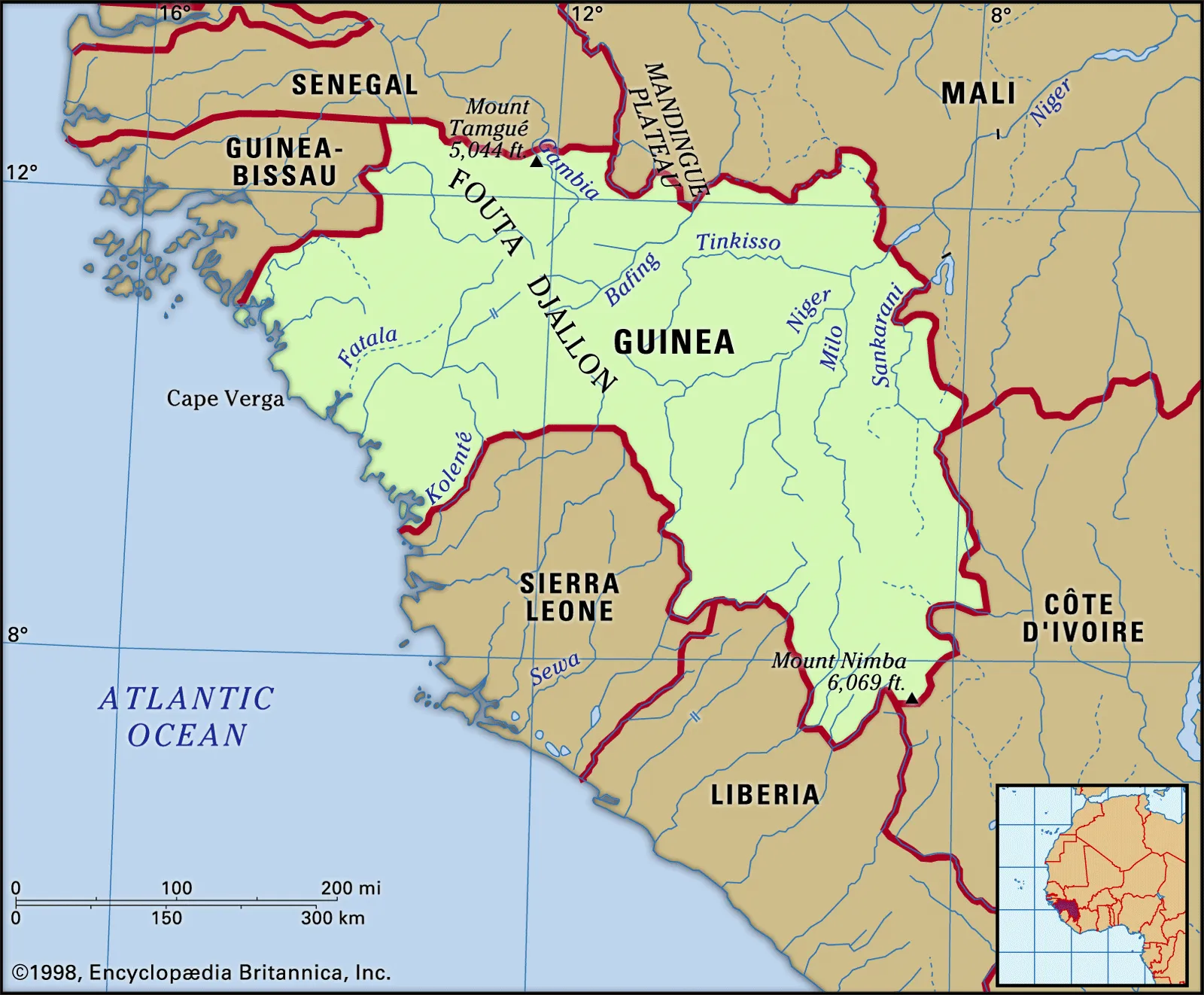
We are once again back in west Africa with ingredients familiar to the area. Much like with the rest of the region, Guinean cuisine is defined by cassava, tubers, local fruit, and seafood. While Guinean cuisine makes minimal use of spices, chili peppers are a frequent friend in Guinean dishes, adding a lovely burst of flavour.
In multiple previous posts, I’ve discussed pan-Africanism and the role of west African nations in shaping post-colonialism in Africa, as well as French neo-colonialism and continued control over its former colonies’ economies. Guinea’s story is a continuation of this narrative, with its resolute rejection of continued French influence serving as both an inspiration and a warning to other newly independent former French colonies.
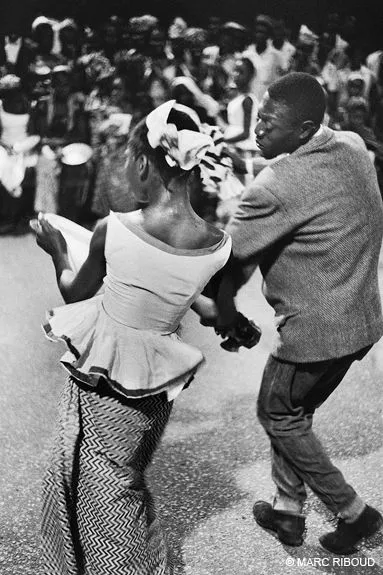 Guineans dancing after independence (Source: Marc Riboud)
In 1898, following the defeat of the Ouassoulou musa Samori Toure, Guinea became a French colony. Throughout colonial rule, the French built infrastructure to strip Guinea of its resources, using it and surrounding colonies to help fuel its growth. This became especially prescient after WWII and France’s need to rebuild following the devastation wrought by war. Guinea and France’s other Asian and African colonies became even more valuable, supplying natural resources to help rebuild a wartorn nation.
However, in 1958, the Fourth French Republic, faced with an economic and identity crisis as more and more colonies asserted their independence, collapsed. Faced with the inability to maintain the same control over colonies as it had previously, then president Charles de Gaulle offered France’s colonies a choice - be reorganised and gain some degree of autonomy - but not independence - as part of a new French community, or receive immediate independence. Every colony chose reorganisation, save one.
Guinea chose independence. In the words of its now president, Sekou Toure, “We have one prime and essential need: our dignity. But there is no dignity without freedom…We prefer freedom in poverty to opulence in slavery.”
On 2 October 1958, Guinea gained its independence.
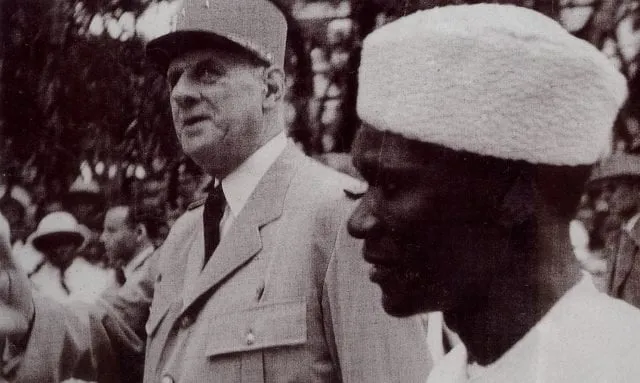 Charles de Gaulle and Sekou Toure (Source: AGPGuinee)
France’s response to Guinea’s independence was swift and brutal. As French officials left Guinea, they destroyed infrastructure, going so far as to steal lightbulbs, burn medicines, and remove architectural plans to ensure the Guineans didn’t benefit from them. France threatened to leave NATO if the United States acknowledged Guinea’s independence, and, in 1960, attempted to destroy the Guinean economy by flooding the market with counterfeit money. While Guinea had its independence, its former coloniser wanted to make an example of it and turn it into a pariah state, crippled and broken.
Instead, Guinea grew closer to Ghana and the USSR, getting financial support from the USSR, and becoming a staple of pan-Africanism alongside Ghana. Toure and Nkrumah were joint advocates for African decolonisation and pan-Africanism more generally, offering their support to revolutionary causes and independence movements.
For all the advocacy of pan-Africanism, however, this post is not an endorsement of Toure. His complete disavowal of France wreaked economic havoc on Guinea, leading tens of thousands to flee the country in search of a better economic future. He, in turn, became paranoid, ruling Guinea as a military dictator, sending thousands to concentration camps, and imprisoning his political rivals. While Guinea did establish a relationship with the United States, Toure’s dictatorship made development difficult, if not impossible, leaving the country floundering.
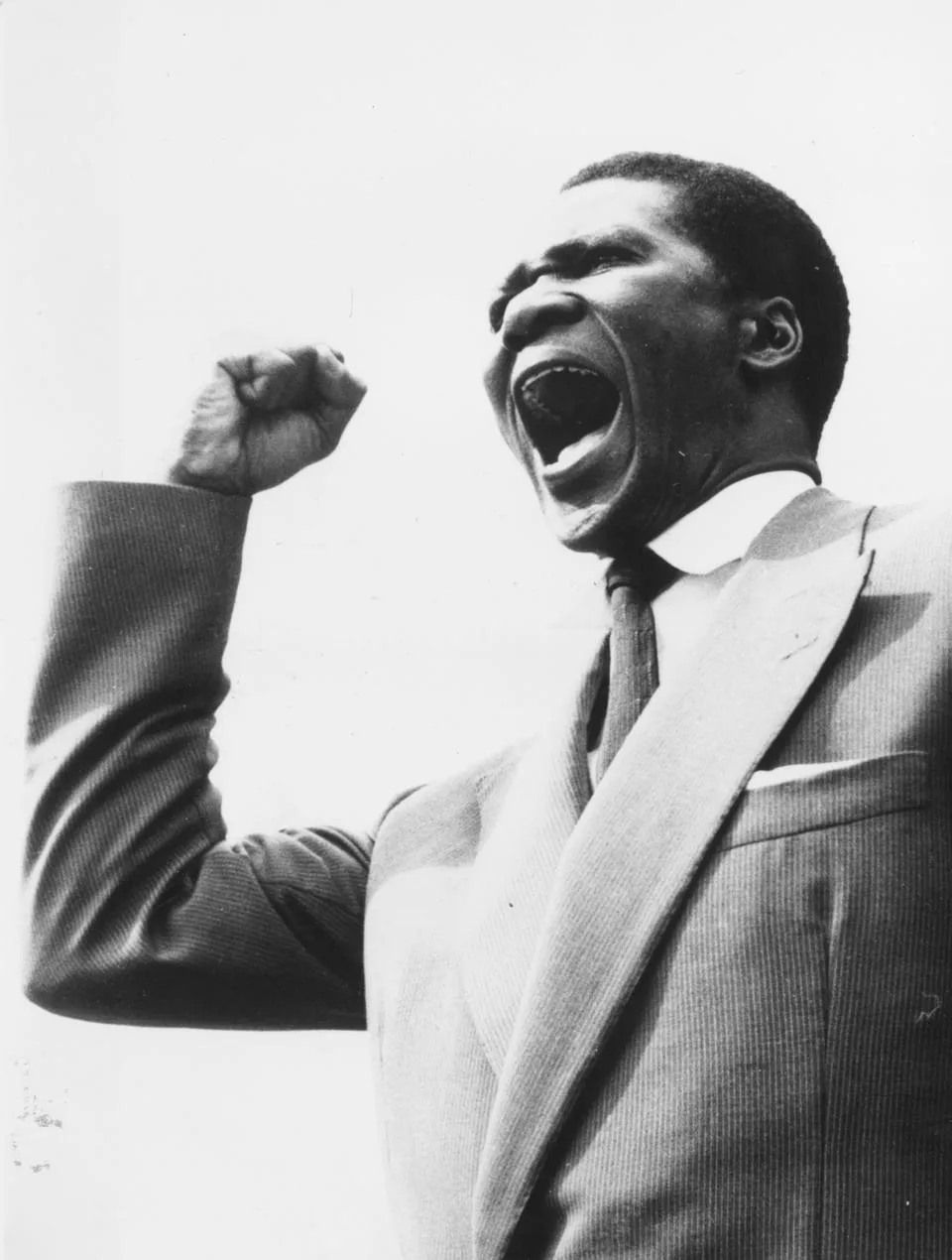 Sekou Toure (Source: Getty Images)
Guinea continues to be a country struggling with political instability and economic turmoil. Despite having significant percentages of the world’s bauxite and gold reserves, 66% of Guinea’s population lives in poverty. To an extent, Toure’s promise to de Gaulle came true - the people of Guinea live in poverty, but are free. How much that freedom is informed by French actions in 1958, however, is difficult to say. What is undeniable, though, is that, for all its internal struggles, Guinea was a beacon for other African nations seeking to forge their own destinies.