

Vegan Laab
Ingredients
5 cups (500g) mushrooms, finely chopped
2 shallots, cut into crescents
3 spring onions, chopped
1/2 cup fresh mint
1/2 cup fresh cilantro
1 chili pepper, chopped
2 tbsp lime juice
2 tbsp soy sauce
1 tbsp ginger
1 tsp sugar
Salt
Pepper
Instructions
- Heat oil over medium high heat. Once the oil is hot, add in the mushrooms. Cook until dark.
- Once the mushrooms are cooked, add all sauces and spices. Stir to combine.
- Add the onions and greens and cook for another minute or so. Serve over sticky rice.
A longer and more detailed description
I keep a tier list of recipes I make. There are some countries and regions that have pleasantly surprised me with how consistently they rank - Africa has yet to miss - and some that I recognise are less to my taste, but I am always delighted when a country’s recipe comes out of nowhere and absolutely steals the show.
This recipe, dear reader, is an absolute S-tier, and I am happy to share it with you.
Start by heating oil over medium-high heat and cooking rice in the rice cooker. This recipe goes fast, so I would start the rice before you cook everything else, but also, it is your life and your kitchen and your joy. You do you. Chop your mushrooms as finely as you can or, alternatively, give your blender a long side eye and just use that instead. Again, it’s whatever brings you joy.
Once your oil is hot, pitch in your mushrooms. Cook them until they turn dark, then douse them in your powders and potions until they cease to be recognisable as mushrooms. Give them all a mixy-mix, then add your vegetables. Cook briefly, then remove from the heat and serve with that rice you made in the rice cooker. ເຊີນແຊບ!
Substitutions and suggestions
Toasted rice powder:** You might notice that my version of laab is missing a key ingredient, namely, toasted rice powder. This is because I do not own a mortar and pestle, and the internet’s suggestions of what I could use as a mortar and pestle without actually owning a mortar and pestle did not work. That said, if you are someone with a mortar and pestle, this dish gets even better if you cook it with rice powder. To make this, dry fry some short grain rice (I used sushi rice) until it’s golden brown, then grind with a mortar and pestle. Add this in with the other powders. Alternatively, you could use sesame seeds, which is not a real substitute, but which I thought added a nice bit of body.
For the sticky rice: Sticky rice is a fundamental part of Lao cuisine, so if you’re able to find it, absolutely use it. I used sushi rice, which is the closest I could find, but jasmine rice is also acceptable.
What I changed to make it vegan
The name “laab” literally translates as “chopped meat,” so, as you can imagine, I made a few changes. I substituted mushrooms for pork and soy sauce and lime juice for fish sauce, as well as adding just a bit more flavour through sauces and herbs throughout. As I said, I think it turned out great.
What to listen to while you make this
I really enjoyed the album “Visions of the Orient” by Nouthong Phimvilayphone. It did a good job of combining traditional Lao sounds with new instrumentations that reminded me a bit of “Pruit Igoe” and Koyaanisqatsi more generally. Highly recommend.
A bit more context for this dish
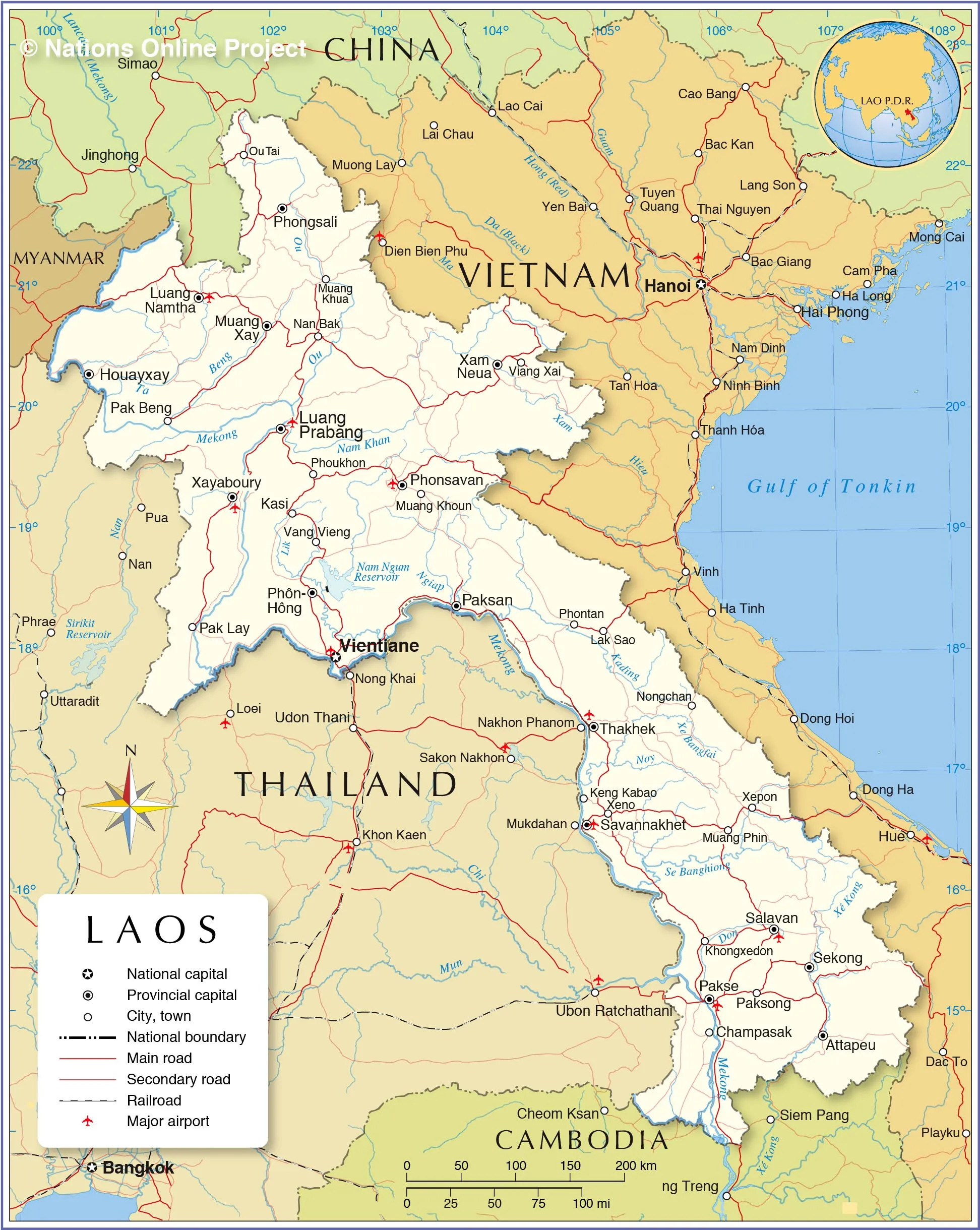
While each cuisine we’ve covered in this series is unique and interesting in its own way, there is something I find particularly fascinating about Lao cuisine. The Lao people originally migrated from China into Laos, bringing with them sticky rice. It is sticky rice that is, in many ways, the defining feature not only of Lao cuisine, but of the Lao as a people. As the Lao moved throughout southeast Asia, they brought their cuisine with them, being defined everywhere they went as the people of the sticky rice. With the Columbian Exchange, this sticky rice was augmented with papayas and chili peppers to create the staples of modern Lao cuisine.
The interesting thing, though, is that you’ve almost certainly had Lao cuisine before, but didn’t know it. In their integration throughout southeast Asia, one particular city became a hub of Lao culture and cuisine.
Rather than Vientiane or Luang Prabang, Lao culinary culture has instead found its home in Bangkok.
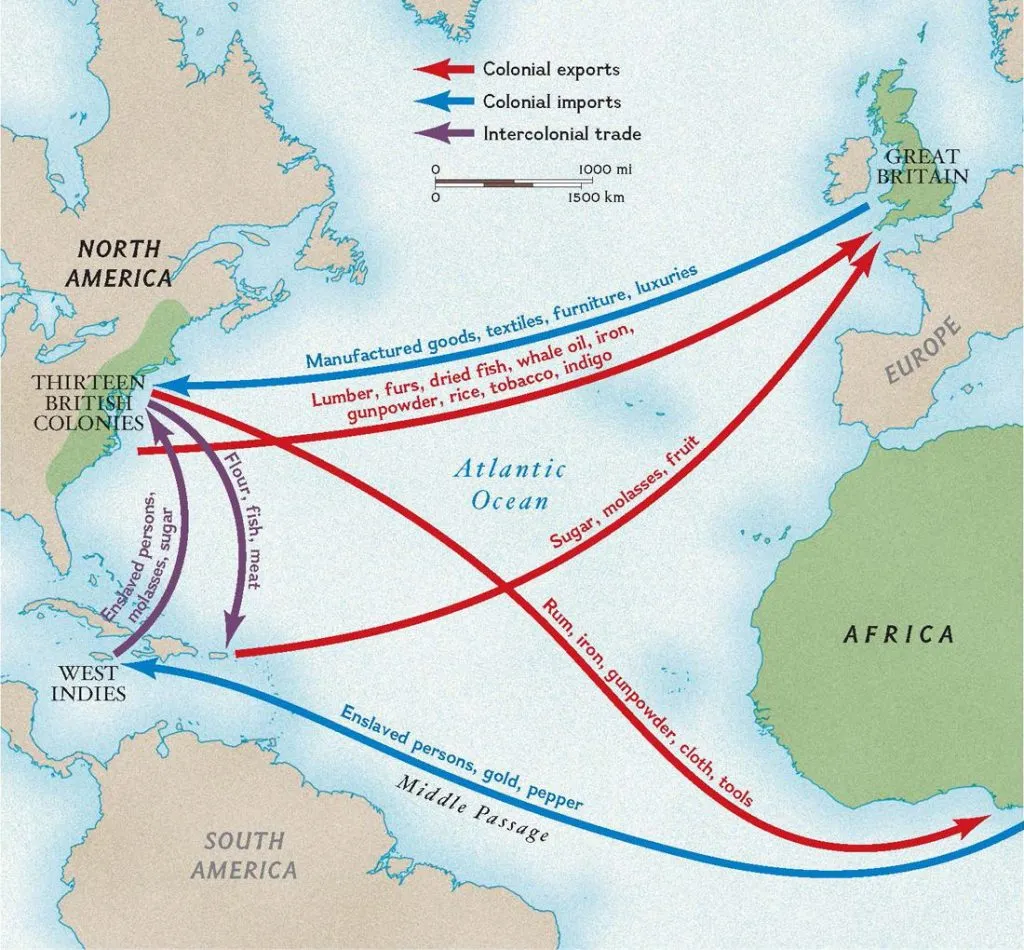 It's been a while, but please welcome back to the stage our good friend THE MAP.
Borders are, by and large, modern inventions, and ethnic groups and peoples are not always accurately reflected by them. This is also true of the Lao people. Native to both modern Laos and northern Thailand - where they are also known as “Isan” - the Lao have long been sandwiched between a variety of trade routes and ethnic groups with whom they have intermingled and intermarried.
In the wake of the Vietnam War and the devastation it wreaked on the entirety of southeast Asia, over 200.000 Lao sought refuge in Thailand. Some remained in the northern Thai provinces, while others migrated to Bangkok. One consequence of this is that there are more Lao in Thailand than in Laos, with that distance only increasing as railroad construction and rapid development meant Bangkok faced a dire need for workers. Lao workers migrated from northern Thailand south into Bangkok, bringing their cuisine with them. Construction sites and sports arenas became crowded with Lao chefs selling their traditional foods to Lao workers.
Lao cuisine was not only eaten by Laos, however. Middle class Thais also happily ate the spicy northern cuisine, modifying it and making it less spicy to fit their own palates. Thai and Lao food became intermingled, though still distinct. Southern Thai food incorporated curries and noodles, while Lao food maintained its devotion to sticky rice.
When, however, Thai and Lao families began emigrating to the United States, they took their blended cuisine with them. Encouraged by the Thai government, they set up restaurants, serving what may seem like familiar Thai staples - pad Thai, pad see ew - alongside Lao staples - papaya salad, sticky rice - and labelling them all as “Thai.” It wasn’t only the ethnically Thai owners labelling all dishes as “Thai,” but the Lao owners as well.
You’ve almost certainly had Lao cuisine before without knowing it was Lao.
It’s this that I find interesting. Lao identity is defined, not by national borders, but by a shared heritage and the shared culinary heritage of sticky rice. When that culinary heritage becomes subsumed and relabelled, though, what remains of the identity behind? The Thai government, in its desire to craft national unity in a deeply diverse country, has made the “Lao” identity almost anathema, making the term into one bordering on a pejorative. Lao cuisine, in this regard, is Thai, if one accepts the subsumation.
There is also a unique identity to it, though. Laos is home to the world’s largest variety of rice, with over 3000 types of sticky rice. It is the rice that continues to define the people, even as their identity becomes subsumed and masked behind the label of “Thai.”
Laab is the national dish not only of a nation, but of a people that extends beyond borders.