

Vegan Riebel
Ingredients
2.5 cups (300g) semolina
2.5 cups (600ml) non-dairy milk
1 tbsp margarine
Instructions
- Heat milk over medium-high heat. Once hot, add butter and melt in the butter. Bring to a boil.
- Add the semolina to the boiling milk, stirring to combine. Remove from heat and let sit for several hours (or overnight).
- When ready to serve, heat over low heat for 10-15 minutes, then top with a topping of your choice.
A longer and more detailed description
When looking at Liechtenstein, I had a choice of what to make. I could make the dish that Liechtenstein claims as its national dish, the dish they put on the brochure, the dish that speaks to the modern Liechtenstein, what it is, and the place it occupies in Europe.
Or I could make the dish that defines its history. I could make the peasant food.
Guess what I picked.
Riebel is very easy to make, which makes sense, given that it originates from peasant towns buried in the Alps. There are also a great many ways and variations on how to make it. I, as usual, made it the way that worked for me, and using the ingredients I had available.
Start by heating milk. It will eventually need to be boiling, but not yet. Instead, melt butter in it, then bring it to a boil. Once it’s boiling, dump in your semolina (or add it gradually and mix it in if you want to be refined, but I don’t), mix it up, then cover it and let it sit somewhere other than on the heat.
For a very long time. Leave it. Forget about it. Just let it sit there until you remember it, in a great many hours. It was, after all, not something you invested much in, and so can sit, abandoned and growing cold, in a corner of your stove.
Until.
Until the next morning when, reminded by your stomach of the existence of the concept of breakfast, you return to it. Heat it up gently, delicately, and then, your joy meeting its as it realises it’s been remembered, devour it. Top it with fruit or with honey or with whatever you’d like, but eat it, and enjoy. An guata!
Substitutions and suggestions
For your toppings - Riebel is traditionally served with a topping of some sort, though what that is can vary. Given that this is a sort of porridge, it’s also entirely up to you what you serve. Personally, I made a fresh strawberry compote, then added blueberries and mint to my riebel, which was excellent. You could also try honey, syrup, applesauce, cheese, or whatever you’d like. Cheese and fruit are more traditional, but I’ve also made it with semolina, so tradition is already right out.
For the semolina - This dish is traditionally made with Vorarlberg cornmeal which, you’ll be absolutely shocked to discover, I do not have access to in New Zealand. You could substitute with regular cornmeal, but I went with semolina after reading multiple forums discussing this exact issue. I read them in German, just for you. And me. Mostly me. I unironically love German.
What I changed to make it vegan
Look ma, no dairy!
What to listen to while you make this
I’ll give you two options for this, as this is a dish that needs to sit overnight. For the evening, when you’re making this for the first time and are actually awake to enjoy it, I recommend Zirkonium and their related projects. In the morning, though? Try Josef Rheinberger instead. Trust me on this one.
A bit more context for this dish
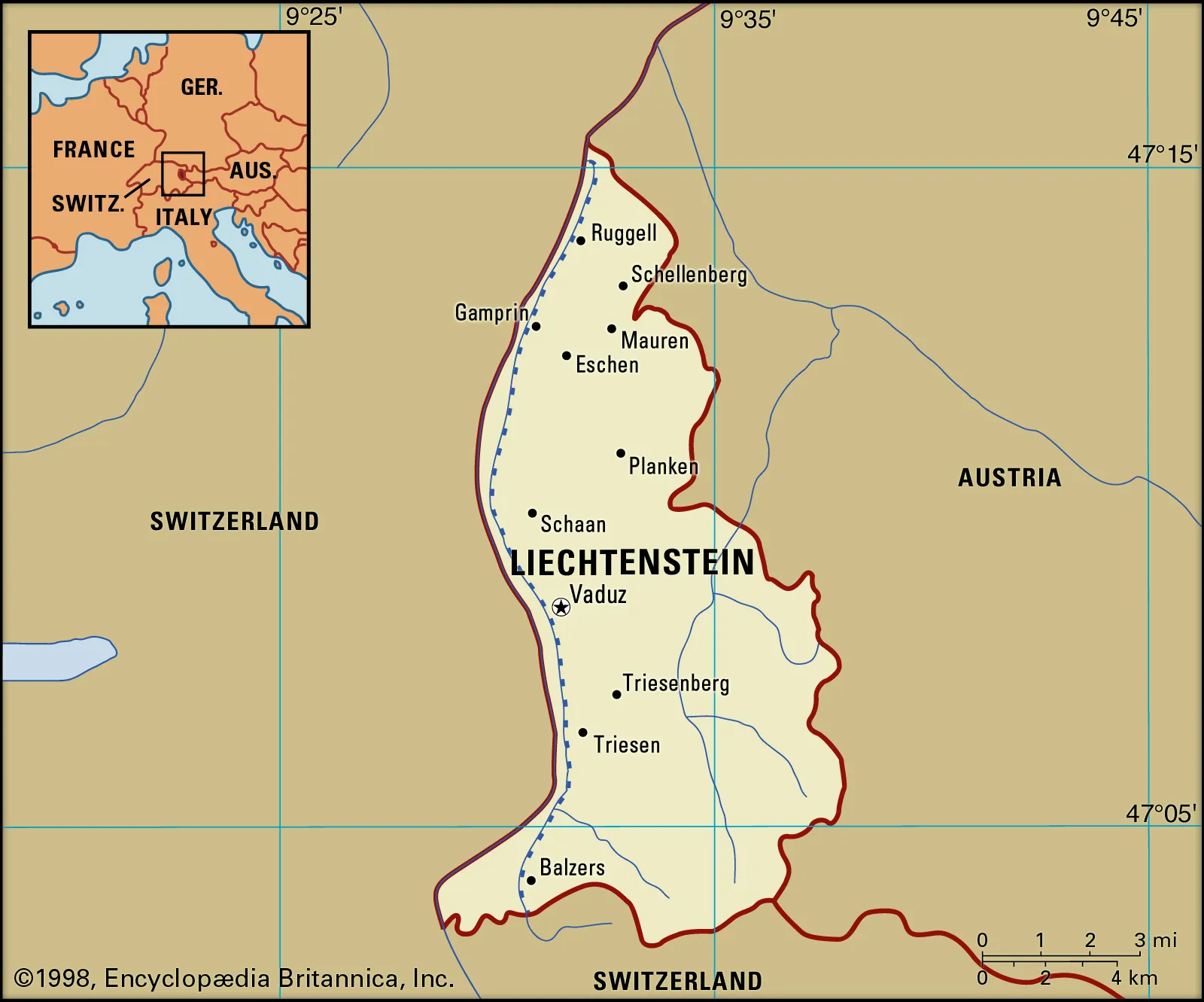
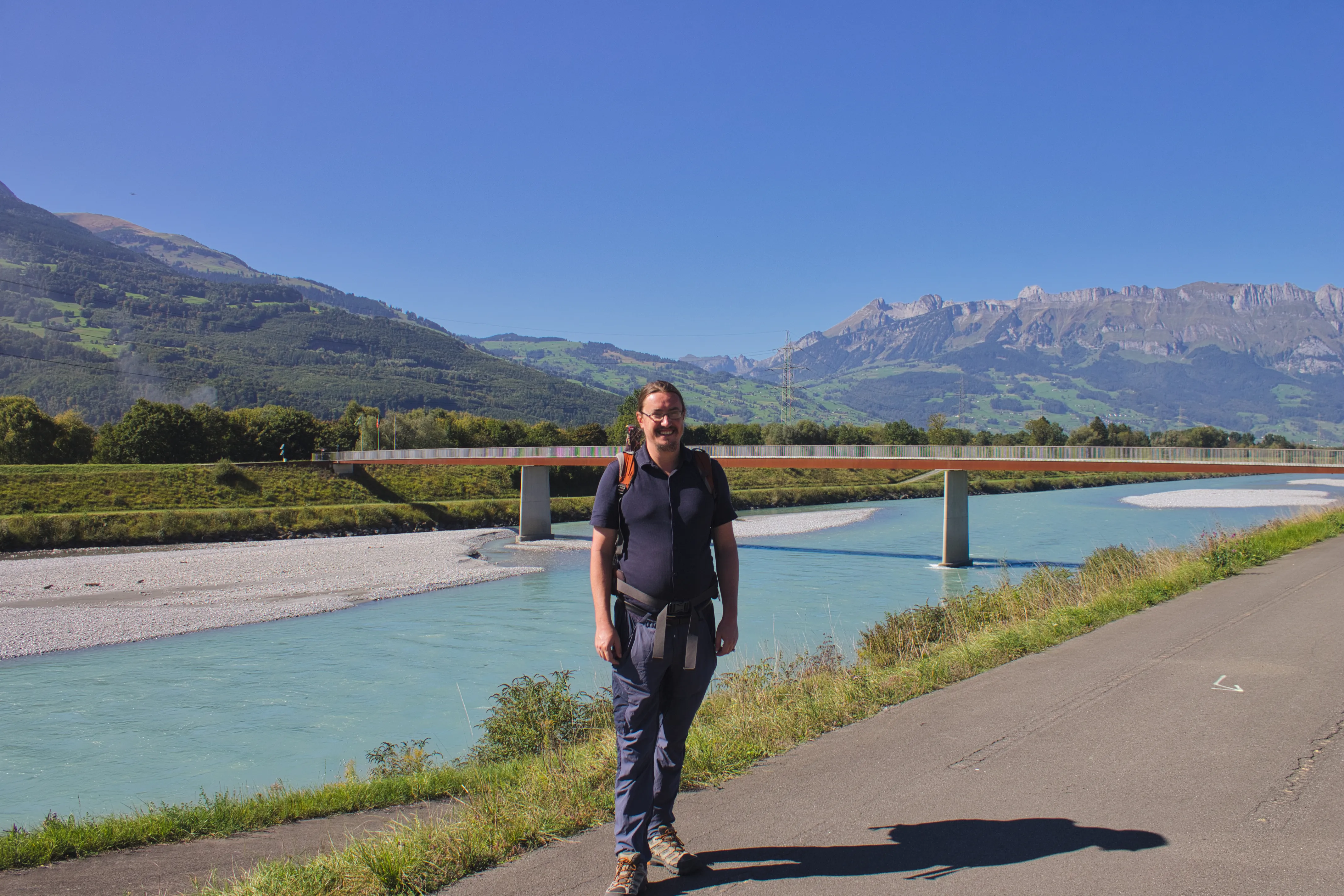
Liechtenstein is a tiny nation sandwiched between Switzerland and Austria. Its cuisine reflects this, with a heavy emphasis on dairy and root vegetables that can last through cold, Alpine winters. Many of its dishes are shared by Switzerland and Austria in a common Vorarlberg tradition, though riebel does represent Liechtenstein’s past as a poor nation wedged in between richer ones. It is one of two doubly-landlocked nations (ten points if you know the other one), and is small enough that I walked across it in a few hours last year. It’s commonly referred to as the 27th Swiss canton because of its close ties to Switzerland, and has no military or airport of its own. The people who come to Liechtenstein do so on the rail line that connects Austria and Switzerland, or via bus, or via the road snaking past Liechtenstein’s border casino on their way to Vaduz.
Like all microstates, the fact that Liechtenstein exists is a fun historic quirk. The difference, though, is that Liechtenstein continues to be quirky, and to understand why, one need look no further than the fact that it is an actual monarchy, and that its people have actively chosen that form of government.
 Pictured: Caesar, I'm guessing
The monarchy in Liechtenstein is an odd one. Unlike many other European monarchies, the story of the house of Liechtenstein is not a story of conquest or marriage, but rather, one of wealth. The house of Liechtenstein bought land throughout the Alps starting in the 13th century. They were not themselves noble, but instead served as advisors to the Habsburgs and the Holy Roman Emperors. This, on the one hand, worked well to further their wealth and influence, but did not grant them voting rights within the Holy Roman Empire. With their purchase of the valley of Vaduz in the 1712, however, they gained a piece of land that answered solely to the Holy Roman Emperor, and thus, voting rights within the Holy Roman Empire. They promptly named their new principality “Liechtenstein.”
As an aside, this is the most Crusader Kings story I have ever heard, and I cannot understate how much joy it brings me to know that this is real.
With the dissolution of the Holy Roman Empire, the new nations of Europe found themselves in turmoil. All states that had held voting rights within the Holy Roman Empire now found themselves as independent nations, free to self-determine and decide for themselves who they wanted to be.
Liechtenstein, as a voting rights holder, was now its own independent nation, stuck between two, much larger places, desperately poor, but independent.
It asked to join Switzerland. Switzerland didn’t want it, because it was too Catholic and too German. Liechtenstein maintained a close relationship with Austria until WWI, at which point, it broke off its customs agreements and went back to staring longingly at Switzerland. It became clear, however, that Liechtenstein was going to be on its own, and so, it did its best with what it had.
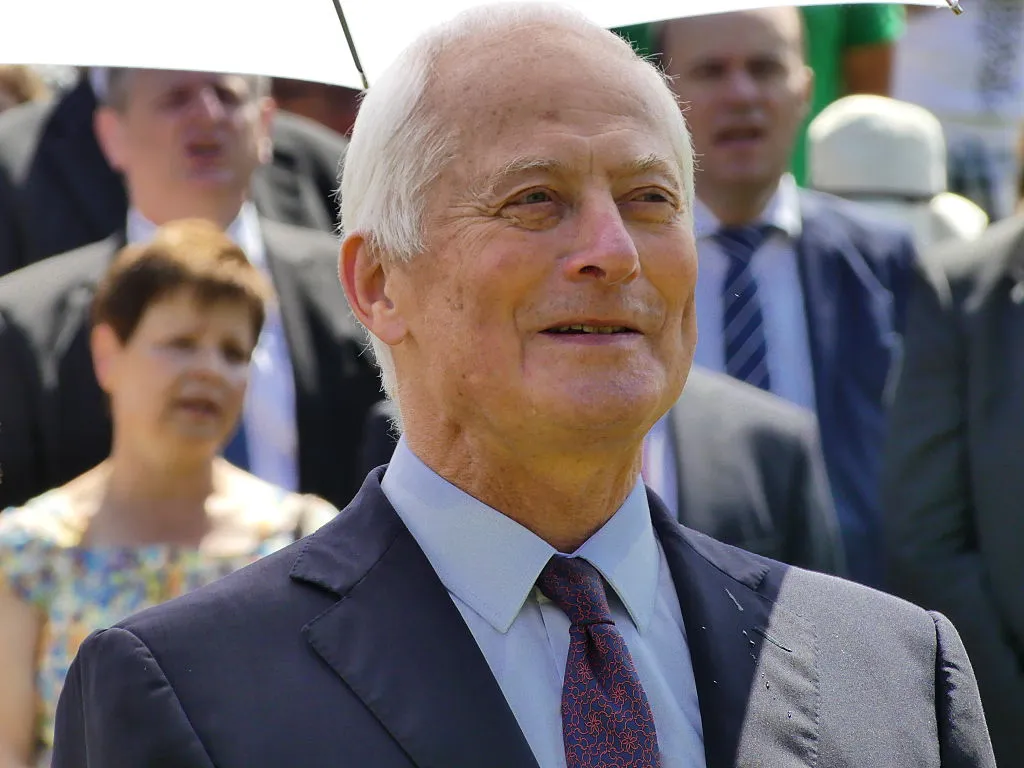 Prince Hans-Adam II, prince of Liechtenstein
Liechtenstein, while necessarily not isolated due to its close connections with Switzerland and Austria, is nevertheless isolated within those relationships. It is a valley in the Alps with a small population who don’t want to be dominated by the larger countries around them. Its prince didn’t live in the country until 1938 (with that move being for obvious reasons), and ruling as a constitutional monarch throughout the 20th century. It remained conservative, with women not getting the right to vote until 1984 and same-sex marriage not being legalised until 2024. Throughout this time, however, Liechtenstein became richer and richer, with a focus on marketing itself as a manufacturing and financial hub. It became a tax haven for billionaires, growing richer and richer through its membership in the EEA, and as an alternative to its non-EEA neighbour, Switzerland.
However, for its ruling family, this was not enough, and in 2003, the ruling prince, Prince Hans-Adam II, proposed a referendum. Vote for more powers for the prince to actually rule the country, he proposed, or he would leave the country and move to Austria.
The referendum passed, and Liechtenstein became a true monarchy.
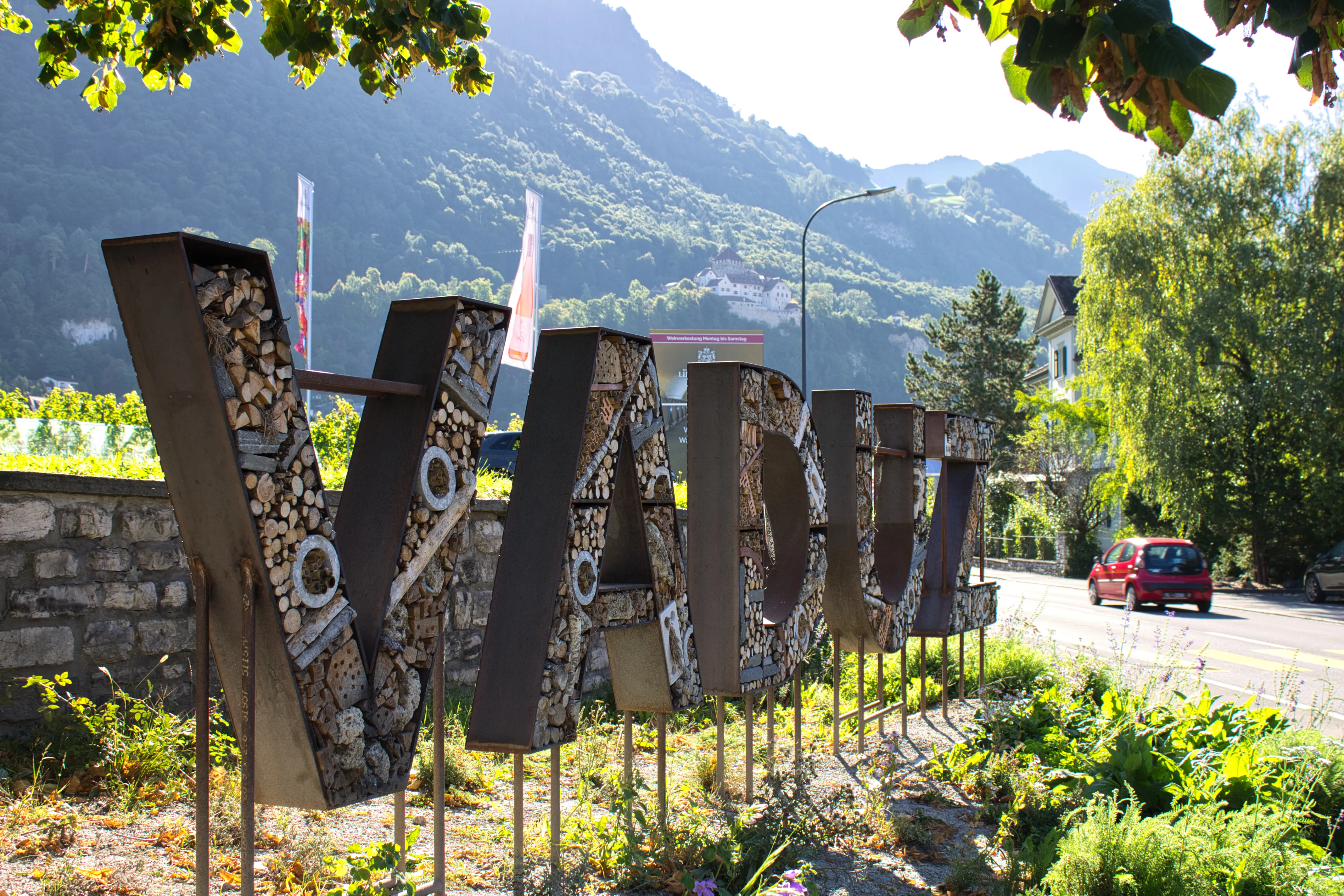 Source: Me.
That a small country could choose to become a monarchy in the 21st century seems a bit mind-boggling. This is, after all, the age of democracy, when we are meant to be striving towards more representative and more equitable politics. Seeing a country - in Europe, no less - decide that this is not what it wants to be seems almost unthinkable.
The irony, of course, is in the fact that a state can self-determine its own lack of self-determination, and that the people can choose to give their voices over to one they trust. The house of Liechtenstein has made Liechtenstein very rich, and in that context, it’s understandable why the people would vote for them to have power. At the same time, in later attempts to unseat the power granted to the monarch, these attempts failed, raising the question of how one regains their voice once they’ve traded it away.
Liechtenstein is a fascinating little country that serves, perhaps less as a warning, and more as an outlier, showing that democracy, for all its benefits, may not always be the best for the people living under it. Or, that maybe, democracy, once lost, is difficult to regain.