

Vegan Bananes au Four Croustillantes
Ingredients
4 bananas, cut in half lengthwise and widthwise
1/2 cup (125g) applesauce
1/2 cup (60g) panko
3 tbsp pear juice
Brown sugar
Cinnamon
Instructions
- Preheat your oven to 325F (170C). \
- Heat oil in a pan over medium heat.\
- Mix the applesauce and juice in a bowl. \
- Dip the banana pieces into the applesauce mix until moist, then roll in panko until covered. \
- Fry until lightly browned (~2 minutes).\
- Place the bananas on a baking tray and bake for an additional five minutes.\
- Sprinkle with brown sugar and cinnamon after removing from the oven.
A longer and more detailed description
Bananas are delicious, but however delicious they may be raw, they are invariably infinitely better cooked, baked, roasted, or in some other way heated. Imagine if they were heated in multiple ways. The glory. The glory.
Start by quartering your bananas. They may break apart into smaller chunks after this, but that’s okay. Roll them around in your applesauce and juice mix, just until they get damp, then plonk them in the breadcrumbs of your choice. Roll them around again until they’re nice and bready, then toss them into the fryer. The goal here is for them to crisp up, but not fully cook - that’s the oven’s job. Once they’re crispy, add them to your baking tray. Once all bananas are happily curled up together on the baking tray, pop them in the oven to finish cooking. After a few happy minutes, your bananas will be all set. Sprinkle them with the lightest dusting of brown sugar, and follow it up with cinnamon. You can, if you like, serve it with cream, but I did not. Bon appetit!
Substitutions and suggestions
For the pear juice: Use whatever juice brings you joy. I had pear juice. I like pear juice. I used pear juice.
For the panko: The bananas need to be rolled around in bread crumbs of some sort. I tried it with bigger bread chunks first (which is why my picture is bad), but you really want a crumbly texture. Whatever you have that achieves that, feel free to use it.
What I changed to make it vegan
Ordinarily, the bananas would be dipped in an eggwash. I substituted applesauce which, while it made the crumbs stick less well, did give an extra little dash of flavour that I really liked.
What to listen to while you make this
This is a very quick dish, which gives you just enough time to listen to one segment of the Bwiti Gang Cypher. :D
A brief context for this dish
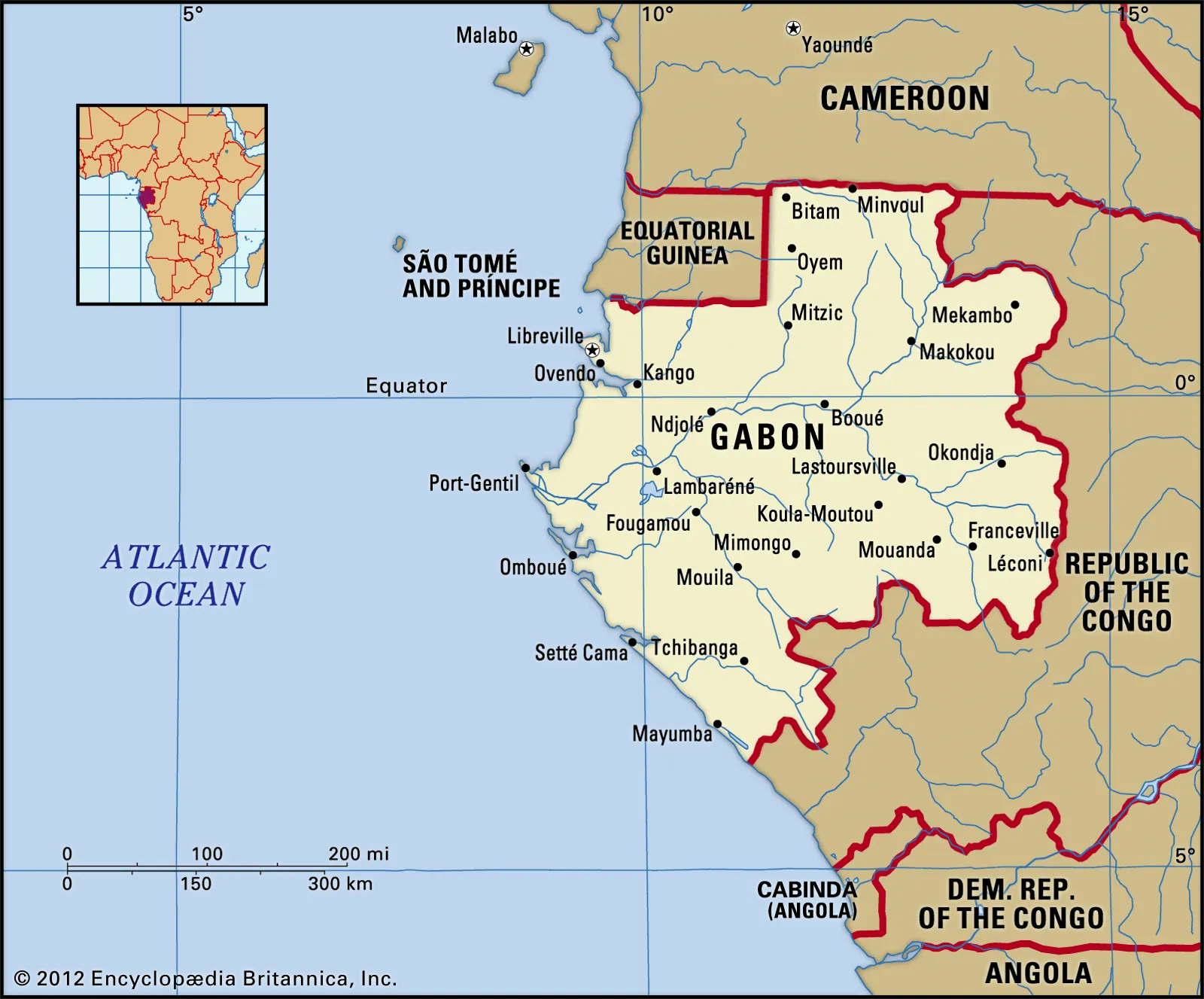
Last week’s recipe was from France, which is apt, given this week’s recipe is not only from a former French colony, but one whose cuisine is heavily informed by French cuisine. Gabonese cuisine is a blend of central African ingredients with French culinary techniques. Today’s dish is a perfect example of that, with a traditional central African ingredient of bananas being cooked in a thoroughly French way - basted in egg and baked.
French influence in Gabon, however, extends well past culinary influences. Gabon is, in many ways, a perfect example of the form French neo-colonialism can take in the Francosphere, and the question of what “independence” actually means.
 1960s Air Afrique tourism poster for Gabon
Gabon has one of the highest human development scores in Africa, as well as one of the highest GDPs on the continent. It is fairly politically stable, especially compared with its neighbours, and a hub for French expats seeking a familiar atmosphere and low cost of living.
Much of this wealth can be attributed to Gabon’s natural resources, especially its oil fields. Discovered in 1971, the Gabonese economy is heavily dependent on its oil for its wealth, with that oil being controlled for much of its history by Gabon’s former dictator, Ali Bongo. While Bongo is a fascinating figure in and of himself, what interesting here is not just his involvement, but the involvement of the French.
Bongo was put into power following a 1964 coup by Charles de Gaulle to protect French interests in Gabon’s mineral resources. Chosen specifically because of his willingness to work with the French, Bongo represented a way for France to maintain some degree of control over its former colony, while also recognising its independence. That Bongo was then overthrown in a 2023 coup is representative of a greater trend throughout Africa. African Francophone nations are increasingly fed up with France and French influence, and are reasserting their independence against neo-colonialism.
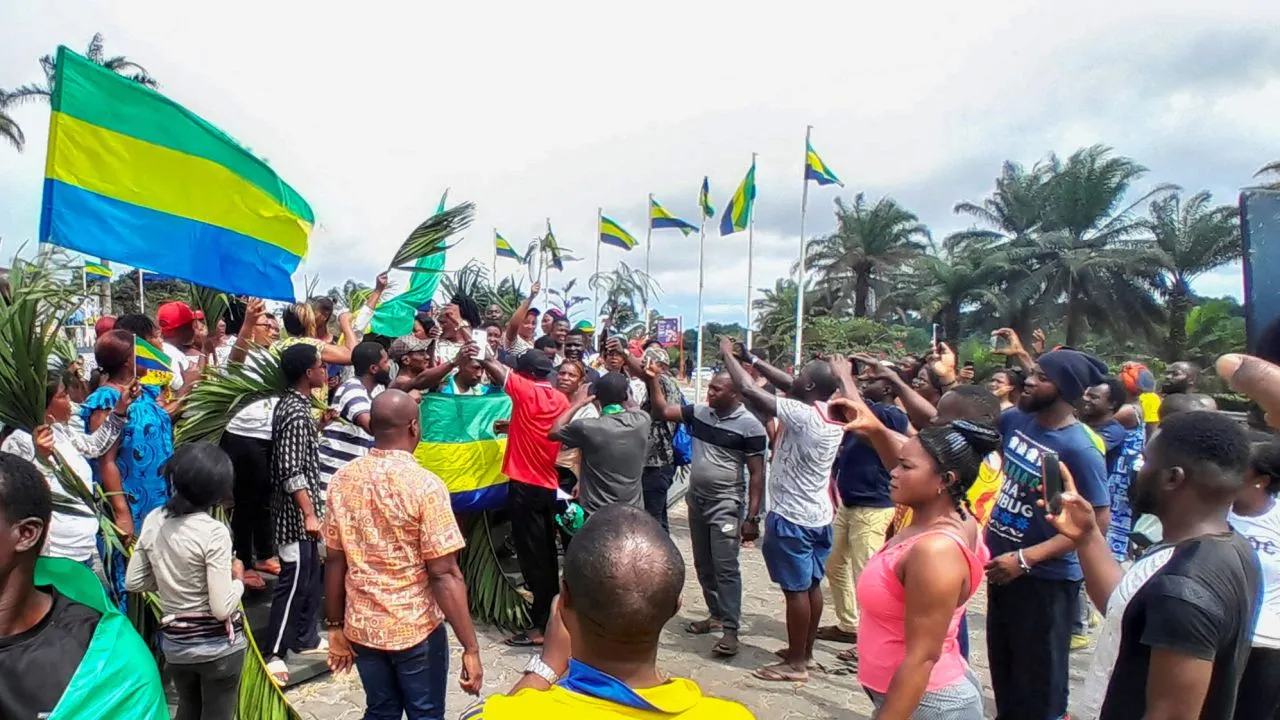 Protesters in Libreville during the 2023 coup (Source: CNN)
In the wake of WWII, France sought ways to rebuild its devastated economy. The solution it eventually came up with was the CFA franc, a separate system of currency for its imperial holdings, but one which was inextricably linked with the franc used in mainland France. As colonised states gained their independence, France required these new states to continue using the franc, leading to a modern system where 23 otherwise independent states are nonetheless inextricably economically tied to France and French interests.
There has, of course, been resistance to the franc. When Guinea tried to leave the franczone in 1960, French secret services demolished the national economy through flooding the market with counterfeit currency. When Togo attempted to establish its own currency in 1962, soldiers trained in France assassinated the president.
The violence with which pro-French economic interests have been enforced makes sense when one considers the benefits France enjoys from having this central currency. Its import costs are significantly cheaper, it maintains a stable trade connection, and furthers wealth inequality throughout the franczone through fuelling a country’s natural wealth into currency wealth for the elite. In addition to the obvious political instability this causes, the chronic overvaluation of the franc also leads to economic stagnation for the states that use it, leading to further instability and an excuse for French military intervention. It is, in essence, an engine for France to maintain colonial control without formally maintaining colonial control.
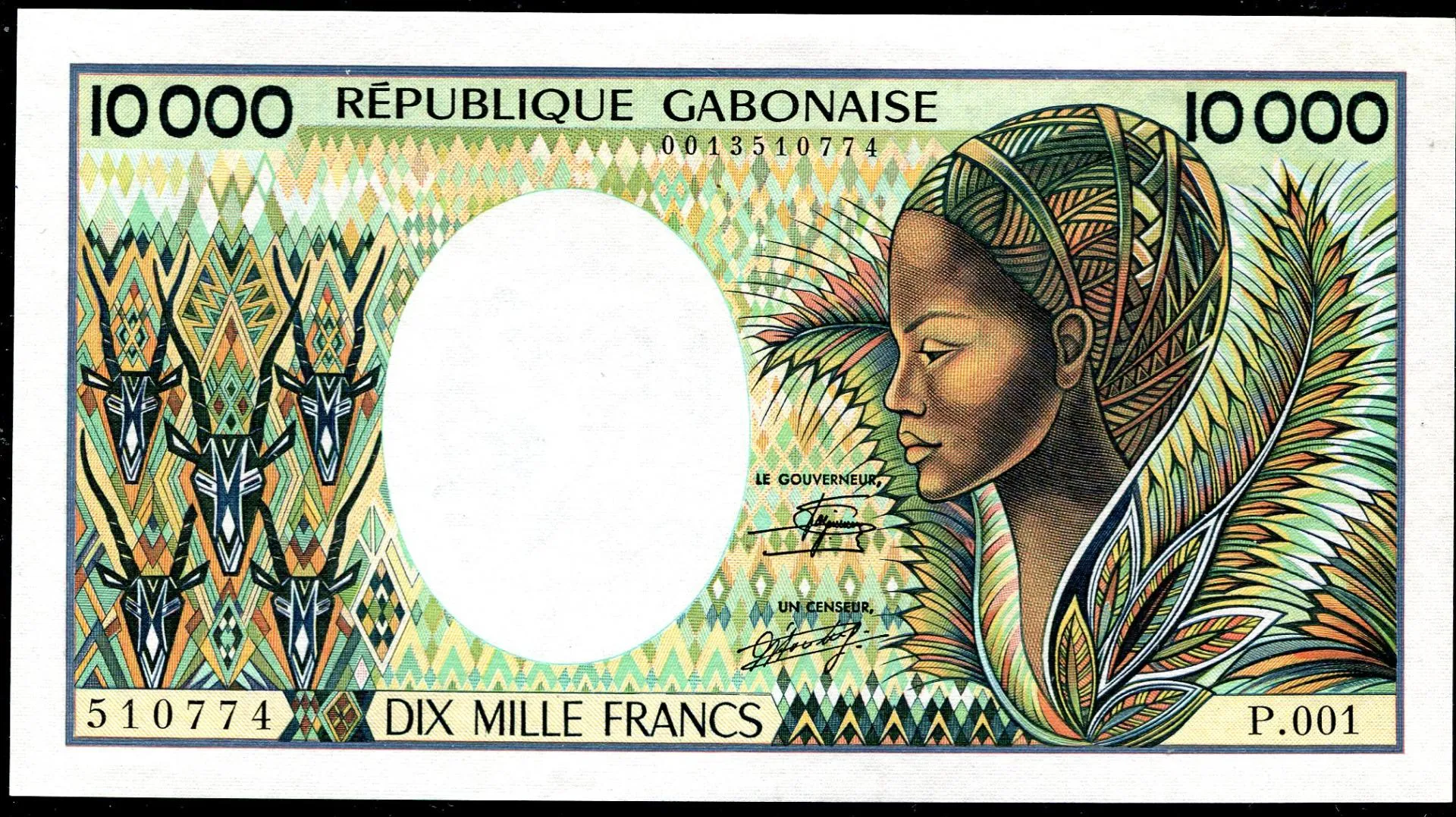 1984 Gabonese franc
While there are many reasons for the political instability throughout Francafrique, that many of the current wave of coups focus on France is not a coincidence. In the case of Gabon, one of the key motivators of the coup was the reality that Bongo had enriched the elites at the expense of the common people. French influence in Gabon has diminished with the dismantling of the previous constitution and the election of a new president, though how true his claims of reform are remains to be seen.
However, the removal of France as a power does not mean the end of neocolonialism. Indeed, current politics suggest some states are left with no choice but to swap one form of colonialism for another in an endless dance of false independence.
But for Gabon, the future is unclear. Perhaps Nguema represents a new way forward. Or perhaps, he is just another piece of France’s long colonial arm.