

Vegan Githeri
Ingredients
1 onion, diced
4 cloves garlic, minced
1 tomato, diced
2 small potatoes, diced
1 can kidney beans, drained
1 can cannellini beans, drained
1 can corn, drained
1 cup (250ml) vegetable broth
1 cup (30g) spinach, chopped
1 tbsp curry powder
Salt
Pepper
Instructions
- Heat oil in a pan over medium heat. Add the onion and garlic and cook until translucent (~4-5 minutes).
- Add the tomatoes and cook for another minute, or until the tomatoes start to soften.
- Add the beans, potato, and corn and mix well. Add the spices and vegetable broth, then cover and let cook over until the potatoes are soft (~10 minutes).
- Add the chopped spinach and cook for another minute, or until the spinach is wilted. Serve over rice, or with ugali or chapati.
A longer and more detailed description
There’s a dish I like to make when I’m feeling lazy and don’t really want to cook, but recognise I do, in fact, want to eat. I call it “stuff I found in the cupboard stew,” and it’s usually beans, rice, and the hint of something else, maybe a tomato or corn.
It turns out they have cupboards in Kenya too.
This dish is very simple, very quick, and quite satisfying. Start by getting some rice going in your rice cooker and heating up oil in a pan. Once the oil is hot, pitch in our usual ingredients of onions and garlic, and cook them until they feel about right. We’ve done this a lot. I trust you to know when the onions and garlic are ready.
Once they’re ready, add in your tomatoes, then everything that goes in that isn’t tomatoes or spinach. Cover it, and wander off, as you’re wont to do. Just before everything is done, remember that this recipe also called for spinach. Chop that in a hurry and pitch it in as well. Once it’s wilted, your githeri is done. Chakula njema and enjoy your meal!
Substitutions and suggestions
For the beans - While beans are a fundamental component of this dish, these specific beans are not. I’ve seen githeri with black beans, lima beans, black-eyed peas, and peas. Whatever beans you have lying around are almost certainly fine for this. Except adzuki beans. Adzuki beans are the worst.
For the potato - Potato is completely optional here, but if you want an alternate starch, cassava is also a good option. I, however, have a three kilogram bag of potatoes I need to get rid of, so I used potato.
What I changed to make it vegan
Absolutely nothing! While githeri sometimes has meat or fish mixed in, it doesn’t have to. This is a bean stew.
What to listen to while you make this
Muthoni Drummer Queen is an absolute treasure, especially her song Suzie Noma.
A bit more context for this dish
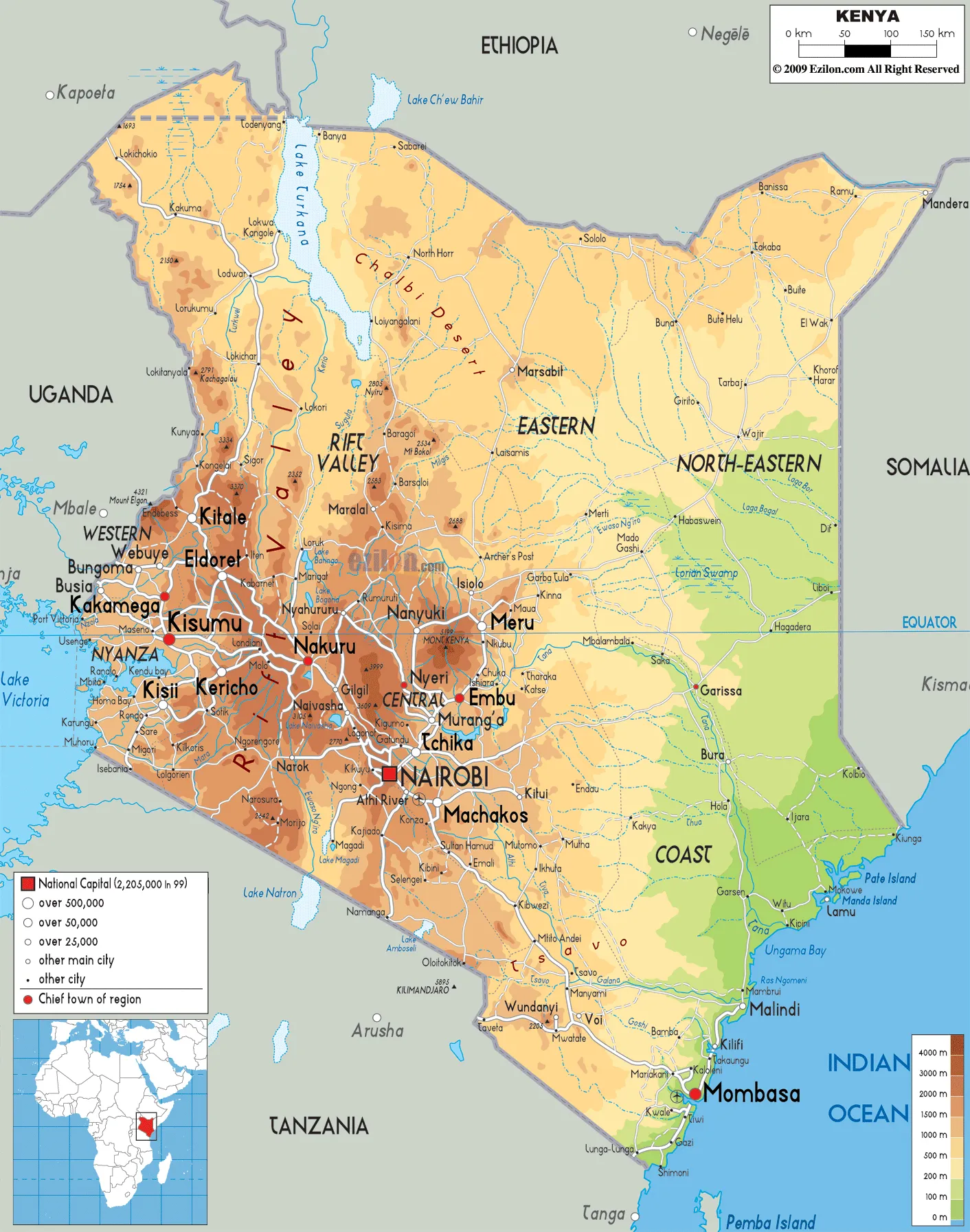
Kenyan cuisine, like so many of the cuisines we’ve discussed in this series, is not one singular culinary tradition, but rather, a combination of the wide diversity of the people living in what is now the modern nation of Kenya. With over 42 ethnic groups making up Kenya’s population, there is no one correct “Kenyan” cuisine so much as there is a broad body of foods that can be found in Kenya.
That said, there are a few commonalities. Ugali - similar to fufu - is eaten by nearly all Kenyans, and Kenyan cuisine is largely dominated by millet, sorghum, beans, and corn. Some areas and ethnic groups eat more meat or fish, others more milk, but each has their own unique approach to food and what food ought to be.
Githeri is one of the few foods to not only transcend ethnic borders, but national ones. It is popular throughout east Africa, due partly to how flexible it is and how common its staple ingredients are. Everyone grows beans. Everyone grows corn. Everyone eats rice or ugali.
This is, however, not the only reason for the near universality of githeri. Part of why everyone knows githeri is a product of the Kenyan education system and the influence of colonialism on Kenyan children.
 "Githeri Man," a man who, in 2017, went viral for eating githeri while waiting to vote in national elections (Source: Twitter)
Education in Kenya is not dissimilar to education systems found throughout the Commonwealth. Children attend primary schools, then matriculate into government-funded secondary schools, and potentially continue on to universities, depending on their funding, test scores, and desires. This is a very different system than the pre-colonial system of customary education that taught children what they needed to know to be functional adults in their societies, though this, too, varied based on ethnic groups. Swahili schools, for instance, have been recorded since the early 18th century, and madrasas existed well before those.
The arrival of European missionaries - and eventually, British colonisers - changed this dynamic. Europeans arrived with a particular view of what education was and the belief that children needed a formalised, curriculum-based education - children needed to be “civilised,” something that could only be done within the confines of a school. While this drive for education didn’t necessarily have the goal of fully educating children - for British colonisers, the goal was to create an effective servant class for white colonisers - it did still necessitate bringing children to schools, sitting them down in desks, and teaching them reading, writing, math, and religion.
Bringing children to a particular place also required feeding them. Having to feed a large group of children gets expensive quickly, and so, a solution was needed. School administrators needed food that was cheap, nutritious, and readily available.
They needed githeri.
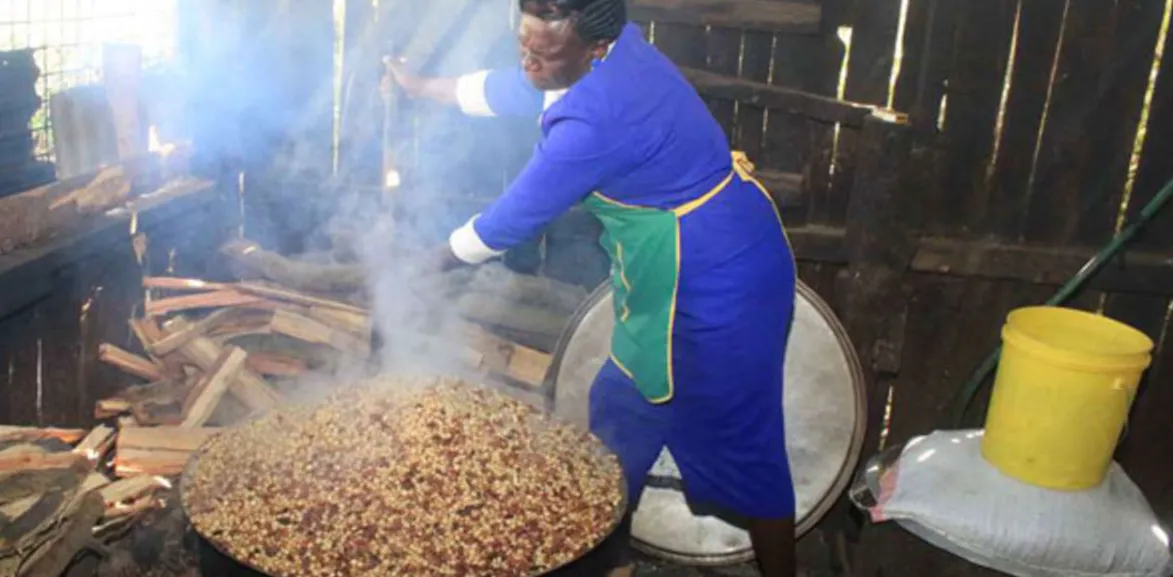 A school chef preparing githeri for students in Naromoru (Source: Nation.Africa)
As public education became more and more common throughout the early 20th century, githeri expanded from a staple food of a few ethnic groups to a fundamental part of the Kenyan student experience. When students went to school, it was githeri waiting for them on their lunch trays. When students matriculated to secondary school and boarded far from home, githeri waited for them once again. When students moved on to university, githeri was a cheap meal, always available, and always filling. Githeri became the culinary identity not of a nation, per se, but at least of the nation’s students. It’s this identity as a student food that has kept githeri in the mainstream, with it being increasingly popular in restaurants, perhaps as a bit of nostalgia for simpler student days, or perhaps because it’s cheap and delicious.
Githeri is, however, mostly a reminder that food can be a uniter, and that shared experiences transcend ethnic and historical boundaries. Colonialism can be a destroyer, but it can also help forge nations and shared identities where they didn’t exist before.