

Vegan Hobz biz-Zejt
Ingredients
Bread
1 can chickpeas
Olive oil
Tomato chutney
Green olives
Kalamata olives
Sundried tomatoes
Capers
Fresh parsley
Black pepper
1 tsp lemon juice
Instructions
- Heat the chickpeas until warm. Add to a food processor with lemon juice and puree until smooth.
- Spread toppings on each half, placing however many toppings you'd like on each half of the sandwich. Start by spreading olive oil on each half of the bread. Next add a layer of chutney. Add a layer of chickpeas, then a layer of sundried tomatoes. Add olives and capers, then parsley, then close the sandwich.
- Toast for five minutes or until bread is sufficiently warm and crunchy.
A longer and more detailed description
Each week, I look up which country I have next on the list, then read about what makes that cuisine what it is and what I might be able to make from it. Some cuisines, I pick out a couple of things that look interesting, then narrow it down to one. Others, I struggle to find something that might work, or that feels representative while also not being too similar to something I’ve made before. Still others, I know it’s going to be a struggle to pick out just one thing, and so the entire week becomes dedicated to that country and its cuisine. That was what happened with Japan.
It is not what I expected to have happen with Malta.
If ever a country was going to leap out and surprise me, I was not expecting it to be Malta. This entire week is just Malta week in my kitchen as every night, I churn through pastries, vegetables, and my weight in olives.
The dish I’ve enjoyed the most, though, has been this sandwich. Say what you like, but there is a special place for a good sandwich, and this is a fantastic sandwich.
Start by getting bread. This is a good sandwich, so get the good bread. Lightly layer it with some olive oil, then slather it with chutney, chickpeas, and however many sundried tomatoes, capers, olives, and parsley you want. Sprinkle it with black pepper, slam it shut, and bake it until it’s probably about right. What are the proportions of these ingredients, you might ask? It doesn’t matter. Eat your sandwich. L-ikla t-tajba!
Substitutions and suggestions
For the chutney - My grocery store does not sell tapenade. If yours does, get that. Otherwise, try tomato paste. Or just eat chutney.
What I changed to make it vegan
This is normally made with tuna, but I, understandably, had no interest in tuna. I substituted in chickpeas.
What to listen to while you make this
Miriana Conte has been living rent free in my head for over a year now, and now she can live in yours as well. You’re welcome.
A bit more context for this dish
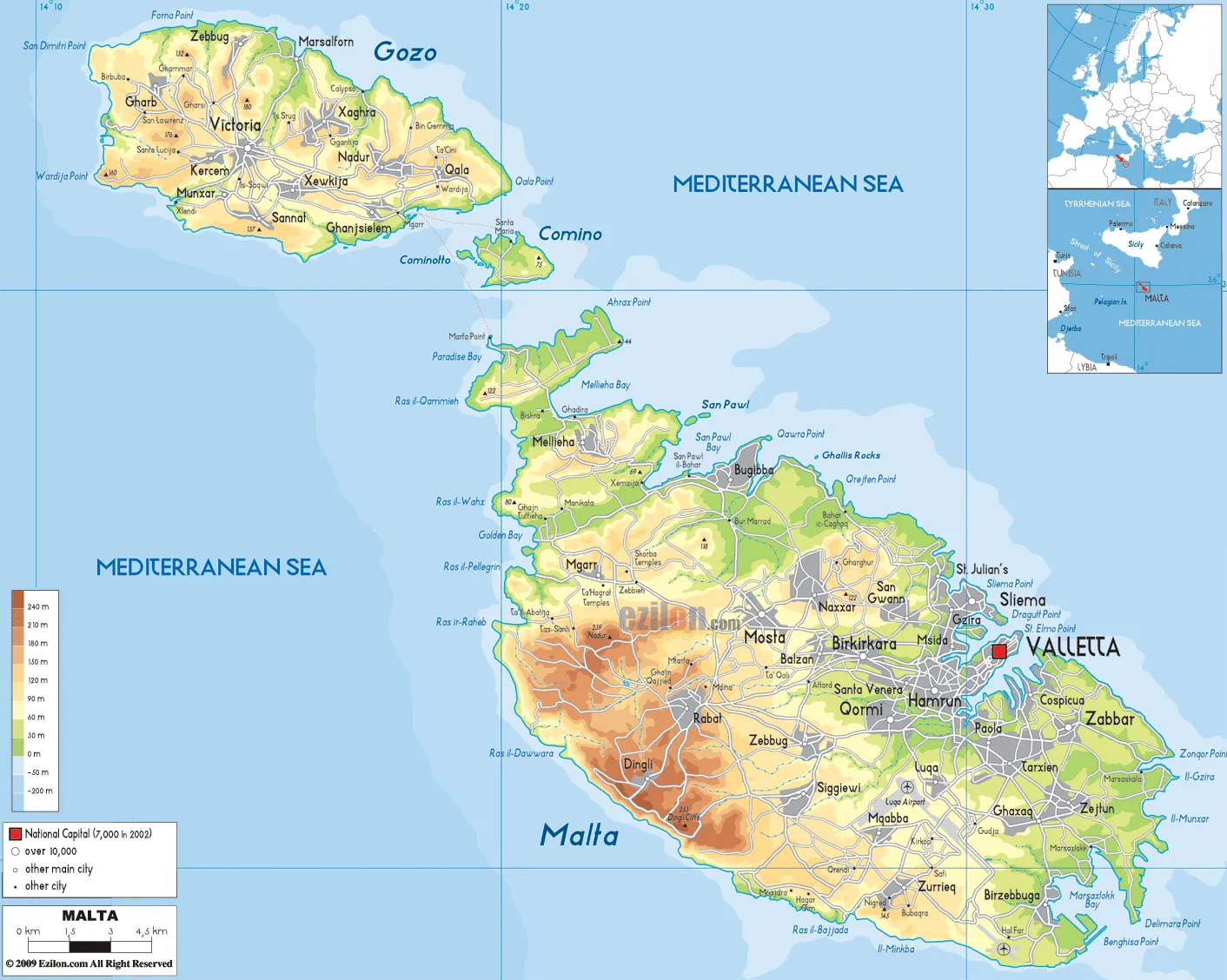
I alluded earlier to the idea that there are some cuisines that, when I come across them, I’m blown away by. That can be the variety of foods available or just something about them, but in the case of Malta, it’s a bit of both.
Malta, by virtue of being an island in the middle of the Mediterranean, is fairly limited in locally grown ingredients. Its cuisine has been heavily influenced by Italian cuisine, but also the general cuisine of the Mediterranean, with a heavy usage of olives, olive oil, and fish. However, Malta also lies at the confluence of Mediterranean trade routes, meaning its cuisine is not only a product of its geographic proximity to Italy (and specifically Sicily), but of everyone stopping at the islands on their way to destinations across the Mediterranean. Its cuisine is Arab, Italian, French, Spanish, and British, all rolled into one, then scattered over the reality of life in Malta.
It’s fantastic, and I cannot recommend exploring all its intricacies enough.
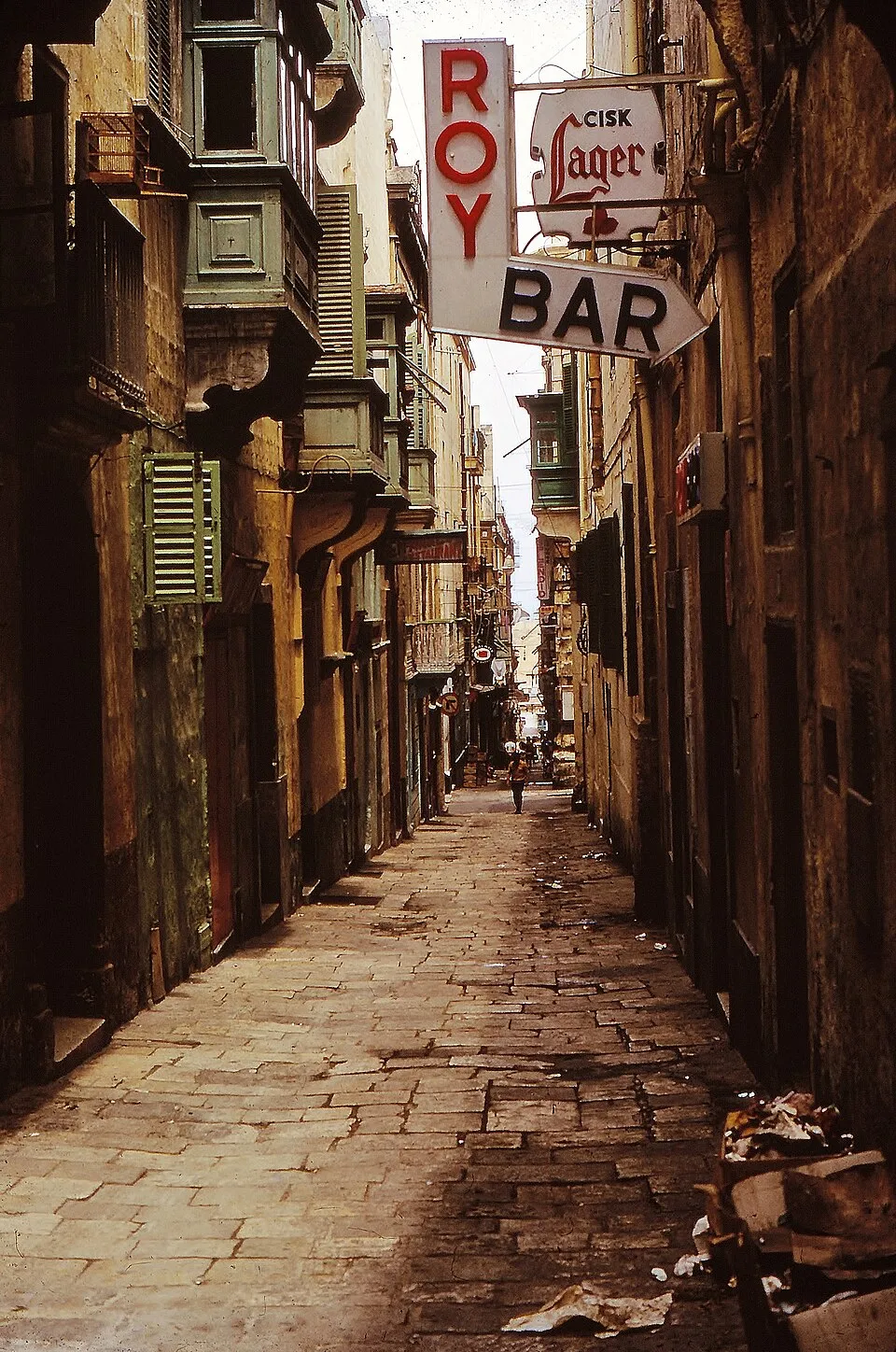 Strait Street, Valetta, 1967 (Source: Wikipedia)
Maltese cuisine is not only influenced by the various cultures it has come into contact with over the centuries, but by how it defines its own identity. Despite its close proximity to north Africa and a brief rule by the Muslims, Malta has been home to a robust Christian community since at least the 6th century, with one legend saying that St. Paul was shipwrecked on the islands. Malta’s Christian identity has been fundamental to its culture, with it in many ways defining itself in opposition to the Muslims just across the sea. In 1530, fearing the end of Christian Europe, the Spanish king Charles V handed the Maltese islands over to the Knights of St. John, creating a true crusader kingdom. From there, the island became a bastion of Catholicism, with the Knights attacking Ottoman shipping lanes while helping Christian pilgrims on their journeys to the Holy Land.
Malta retains this Catholic identity, with it having heavy influence on Maltese cuisine. During Lent, when eating meat is forbidden, fish, snails, and artichokes become immensely popular. Throughout the rest of the year, pork features heavily in Maltese cuisine, with it being added into a wide variety of dishes. Because of the taboo on eating pork within Islam, that pork is so dominant in Maltese cuisine is a statement of identity. Malta exists at the edge of Christian Europe, and its cuisine is reminding the world of that fact.
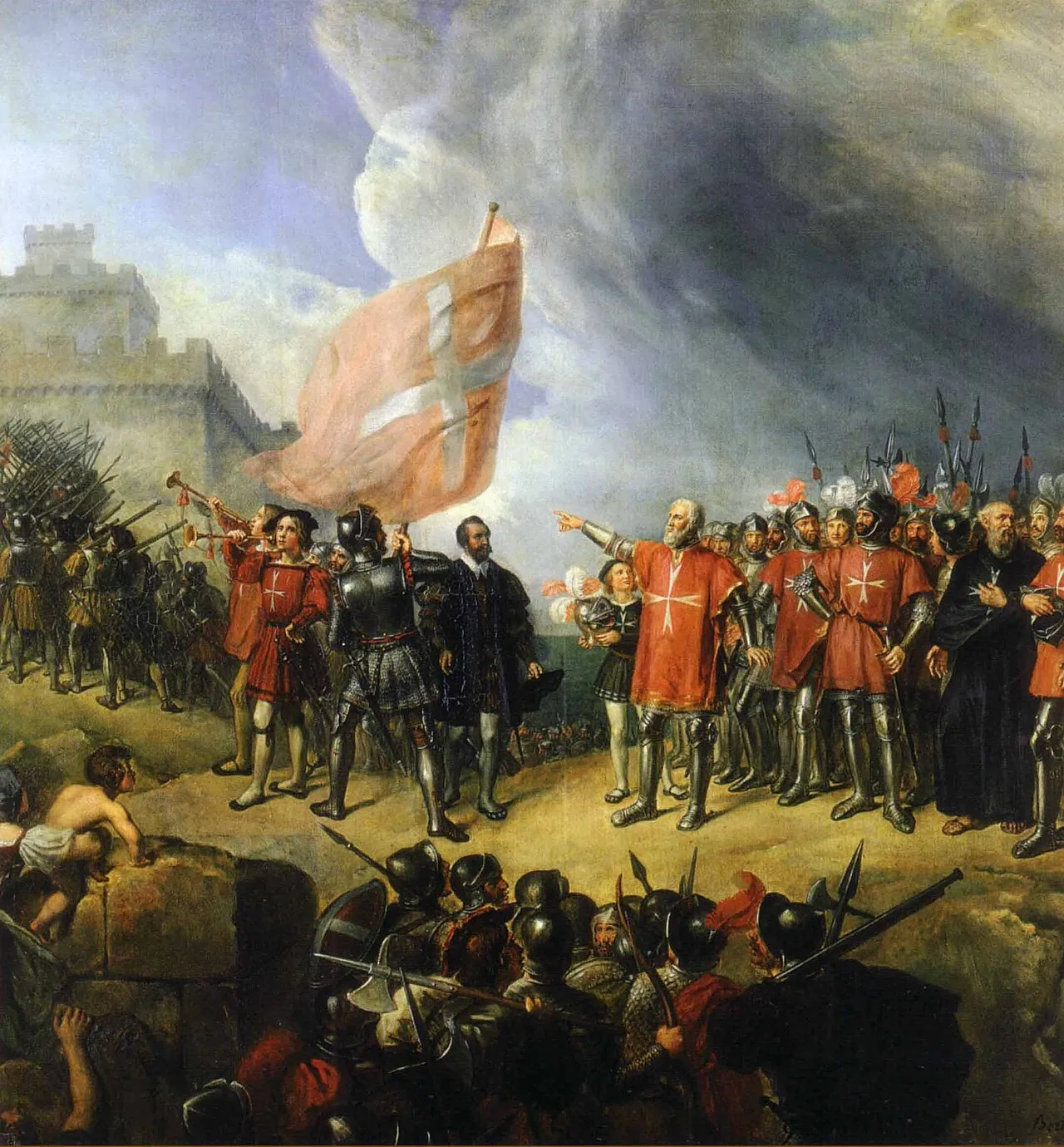 The Knights of St. John arriving in Malta by Rene Theodore Berton (Source: Wikipedia)
Within these parametres, then, it’s phenomenal just how much diversity Maltese cuisine has. In addition to hobz biz-zejt (Maltese for “bread with oil,” which I would argue is a bit of an understatement), I’ve made pastizzi and kapunata, both Italian in origin, but adapted for Malta, with the pastizzi being filled with British mushy peas and the kapunata being loaded with a frankly unholy number of olives. I looked at baked rice (a cousin of tajine, from north Africa), and its sausage tradition looks rather similar to Spanish sausage traditions. All of it, however, furthers that idea of Malta as a unique place, with its own deeply unique identity and traditions.
It is an island that sees itself as being at the edge of the world, and its cuisine reflects that in turn. It’s phenomenal, and I highly recommend giving as much of it as you can a try.