

Vegan Yassa
Ingredients
1 block (500g) firm tofu, cut into blocks
1 can palm hearts, sliced
1 onion, diced
3 cloves garlic, minced
1 chili pepper, chopped
1 cup (250ml) vegetable broth
3 tbsp dijon mustard
2 tbsp lemon juice
3 bay leaves
Instructions
- Cook onions and garlic in a pan over medium heat until translucent (~5 minutes). Once cooked, add the chili pepper, vegetable broth, mustard, lemon juice, and bay leaves, and let simmer.
- In a separate pan, fry the tofu until crispy (~5 minutes).
- Add the fried tofu to the sauce, mixing to combine. Add the palm hearts, and cook for another five minutes.
A longer and more detailed description
So I’ll start from the outset that I know this is technically a Senegalese dish. I know that, but also, I know it’s a festival dish in Guinea-Bissau, and you know, if I excluded every dish from this series that started somewhere else before being adopted in the country I made it for, I - okay, so I do tend to try to find dishes that are originally from the country I’m making them for specifically to avoid this question, but yassa looked so interesting that I just had to try it.
And yes, I know mustard chicken is also a thing in Southern cuisine and that I’ve apparently never heard of it. But do you know where it comes from? Do you know where most Southern dishes come from?
So let’s make our yassa.
Start by heating oil in two pans. In one pan, add onion and garlic and do the thing we always do with onions and garlic. In the other, fry some tofu. In theory, these two pans will take the same amount of time, but if you tend to get distracted like I do and wander off to go do something else, your cook times may vary. Once your onion and garlic look tasty, add in the chili pepper, broth, and all other fun and tasty things. Let that simmer and cook into a nice sauce.
Once the tofu is nice and crispy, add in into the sauce. Add in your palm hearts that you found in the pantry after your partner insisted he was going to use it, then didn’t, and you’re tired of waiting, so you’re using it and if he has a problem with it, he should have used it. Mix everything together (except the partner, he doesn’t belong in the sauce), and cook for another few minutes to let the sauce thicken and the palm hearts absorb the flavour. Serve over couscous or rice and bom apetite!
Substitutions and suggestions
For the mustard - I see you over there, my American friend, clutching your bright yellow bottle of French’s and making an optimistic face. Don’t do this to yourself. Get the good stuff. The stuff with seeds in it. The stuff that when you look at the price makes you die inside. It’s worth it. Trust me.
For the chili pepper - Lombok all the way, unless you don’t want to or have access to something other than a Surinamese grocery store, in which case, use what brings you joy.
For the palm hearts - You don’t technically have to add palm hearts. However, I really, really liked the tang they added, especially with the lemon juice. I recommend them, but if they’re not your thing or you can’t find them, you can leave them out.
What I changed to make it vegan
Yassa is generally served with chicken. I obviously wasn’t going to do that, so I initially went with tofu. I then found palm hearts in my pantry, looked at what yassa is doing, and added those in. It was incredible. Add the palm hearts.
What to listen to while you make this
I had a lovely time vibing to Silvestre Gomes, and I think you will too. :)
A bit more context for this dish
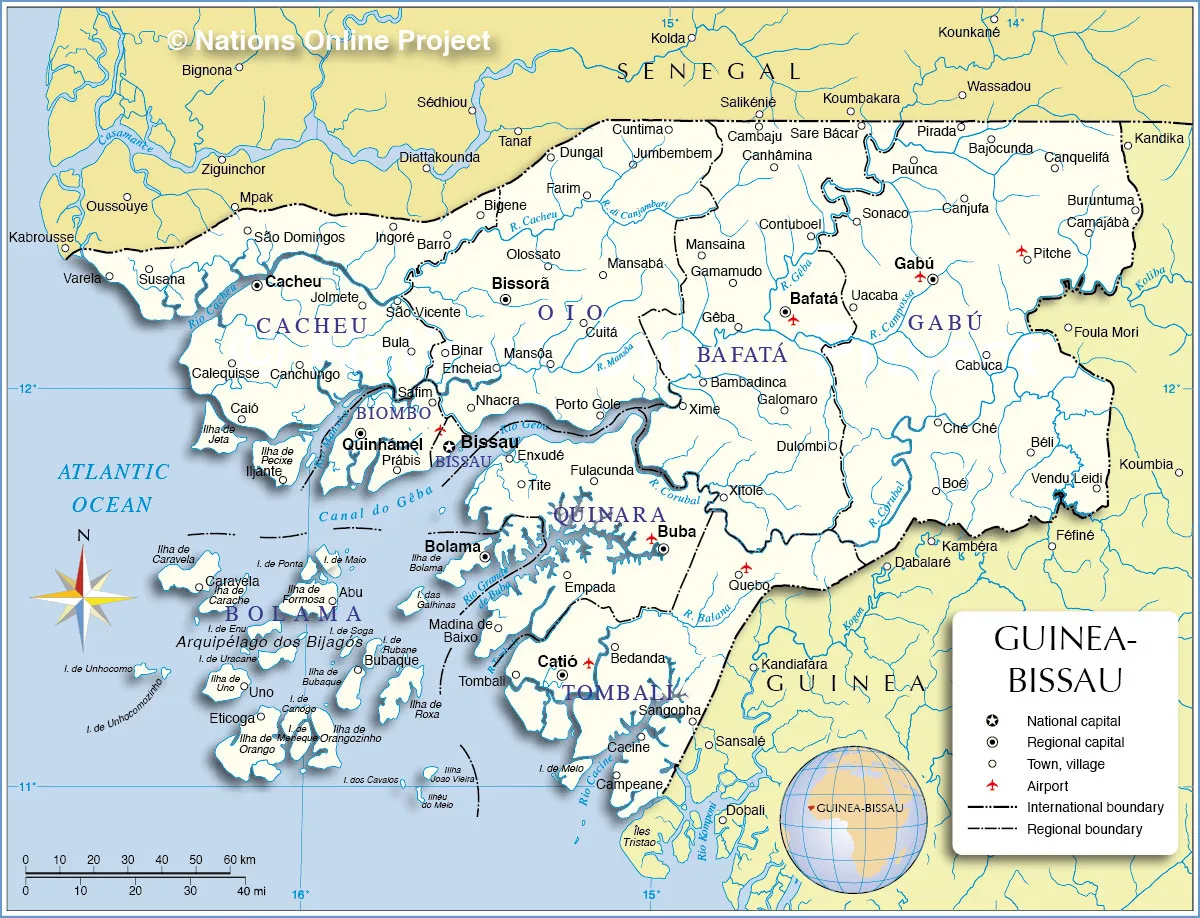
Guinea-Bissau, much like its neighbours, shares many common ingredients with the rest of west Africa. It relies on tubers, chili peppers, and plantains to make soups and stews, which are then served over rice, couscous, and fufu. Its traditional recipes have been shaped both by its neighbours to the north - with Saharan trade routes bringing in new ingredients over the course of centuries - and by European colonial powers. French influence from its neighbours in Senegal and Guinea shaped what cooking techniques were used, and Portuguese influence added new ingredients and recipes.
Yassa itself is a product of this blending. Originally from the Casamance region of Senegal just north of the modern border with Guinea-Bissau, yassa combines the west African tradition of stews with French influences. The dish travelled throughout west Africa, becoming part of the regional lexicon, especially in Guinea-Bissau.
In Guinea-Bissau, the dish has two separate identities. On the one hand, it’s becoming increasingly available and popular as a street food and general all-access dish. On the other hand, it’s associated with celebrating the life of one of Guinea-Bissau’s heroes, Amilcar Cabral.
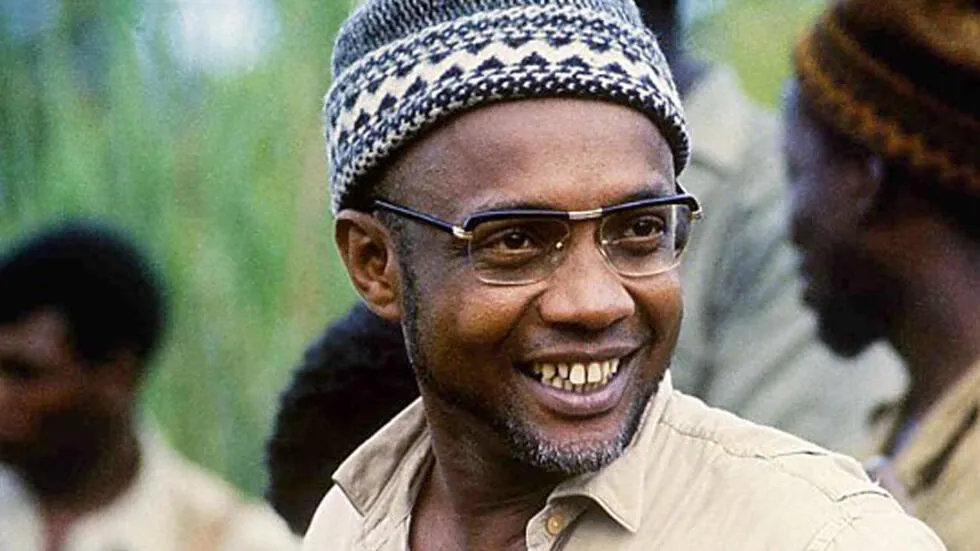
In my posts about Ghana and Guinea, I took a step back from focusing on food and discussing more of the context in which the food exists. Many of my posts about African countries - and west Africa in particular - have focused on colonialism and its legacy, sometimes with regards to how that ties in with cuisine, and sometimes less so. In covering west Africa, though, I’d be remiss not to talk about another major figure in pan-Africanism and the struggle against colonialism. Though I think often overlooked in the Anglophone world, Amilcar Cabral is a pivotal figure in the story of west Africa, Africa’s struggle against colonialism, and the story of humanity’s shared struggle against oppression.
Born in what is now Guinea-Bissau to Cabo Verdean parents, Amilcar Cabral grew up well-off. He was sent to Portugal for an education, then returned to Guinea-Bissau to promote the independence not only of Guinea-Bissau, but of Cabo Verde and all Portuguese colonies as well. In 1953, he travelled much of Guinea-Bissau, conducting a land survey and getting to know the land and its people. In 1956, he founded the Partido Africano da Independência da Guiné e Cabo Verde (PAIGC) and began preparations to fight for Guinea-Bissau’s independence.
Cabral recognised that Guinea-Bissau and Cabo Verde were not alone in their struggle. While they were the only Portuguese colonies in west Africa, both Ghana and Guinea were committed to supporting African states in their quests for independence. Indeed, following Guinea’s 1958 independence from France, it had made supporting Guinea-Bissau in its independence movement an explicit goal. When planning Guinea-Bissau’s war of independence, Cabral specifically turned to Nkrumah and Toure, receiving training and support. He Trained his soldiers to live off the land, to convince local leaders to join the cause, and to win over the hearts and minds of the people of Guinea-Bissau. A war of independence wasn’t just about territory or political aims - Cabral’s intentions were to free the people of Guinea-Bissau and Cabo Verde wholly from not only Portugal’s de jure rule, but its de facto influence.
Guinea-Bissau began its war of independence in 1963. This was a guerrilla war, with soldiers attacking, then fading into the forests and villages of Guinea-Bissau. Over the course of the next decade, the Portuguese response more and more closely resembled US tactics in Vietnam, with the mass defoliation of Guinea-Bissau using napalm and agent orange, and invasion of Guinea-Bissau’s neighbour, Guinea, in an effort to cut supply lines.
By 1972, it was clear Portugal had lost. Guinea-Bissau and Cabo Verde were set to become independent, with Cabral at the helm.
Except that didn’t happen. In January 1973, Cabral was assassinated by members of the PAIGC. By September 1973, Guinea-Bissau declared independence, and in 1974, it became independent.
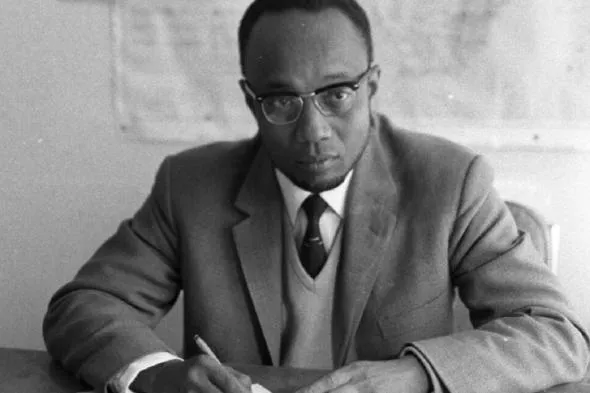
There is a reason Cabral continues to be celebrated not only in Guinea-Bissau, but throughout Africa. Cabral advocated not only for African independence, but an independence of thought and leadership as well. Rather than leadership mimicking a European style, Cabral sought a re-Africanisation of Africa, separating it from European tradition to build its own identities. Leaders, Cabral argued, needed to be of the people, understanding what it was to be in their country and live their lives, rather than rule from on high. He continues to be influential, and his ideas continue to shape what African leadership looks like in the 21st century and the value of continued resistance against European neo-colonialism.
One lesson I take from reading about Cabral, Nkrumah, and Toure, however, is a thorough repudiation of the great man theory of history. While, to be clear, all three are incredible in their accomplishments (and, in the case of Nkrumah and Toure, guilty of their crimes), that all three of them were active towards the same cause in the same space at the same time speaks to how circumstances shape us all. All three fought against colonialism and for a pan-African identity, but did so in their own ways. All three have fundamentally reshaped the view of what it is to fight against colonial oppression, and have shaped modern Africa, but were able to do so because they were who was needed in that place and time.
It could be any of us speaking out against oppression. It could be any of us fighting back.
So I’ll make yassa, and I’ll celebrate Cabral, and I’ll believe in the power of us all.